
Last Updated: July 20, 2026
Reading Time: 10 min

Prediabetes symptoms are often easy to miss since the disease typically progresses slowly over time. There are millions of people suffering from this disease in America, but they are unaware of it due to its mild symptoms or lack thereof. It is possible for one to be living with elevated blood glucose levels for months or even years without knowing about it, without ever having an actual blood sugar test done.
Fortunately, prediabetes is treatable and, in some instances, it is reversible through a lifestyle change. Discovering prediabetes gives you the chance to reduce your chances of getting type 2 diabetes.
In this guide, you will discover what the most common prediabetes symptoms are, who is more likely to get prediabetes, prediabetes diagnosis, and the actions which may help you avoid complications in the future.
Featured Snippet
What are the early symptoms of prediabetes?
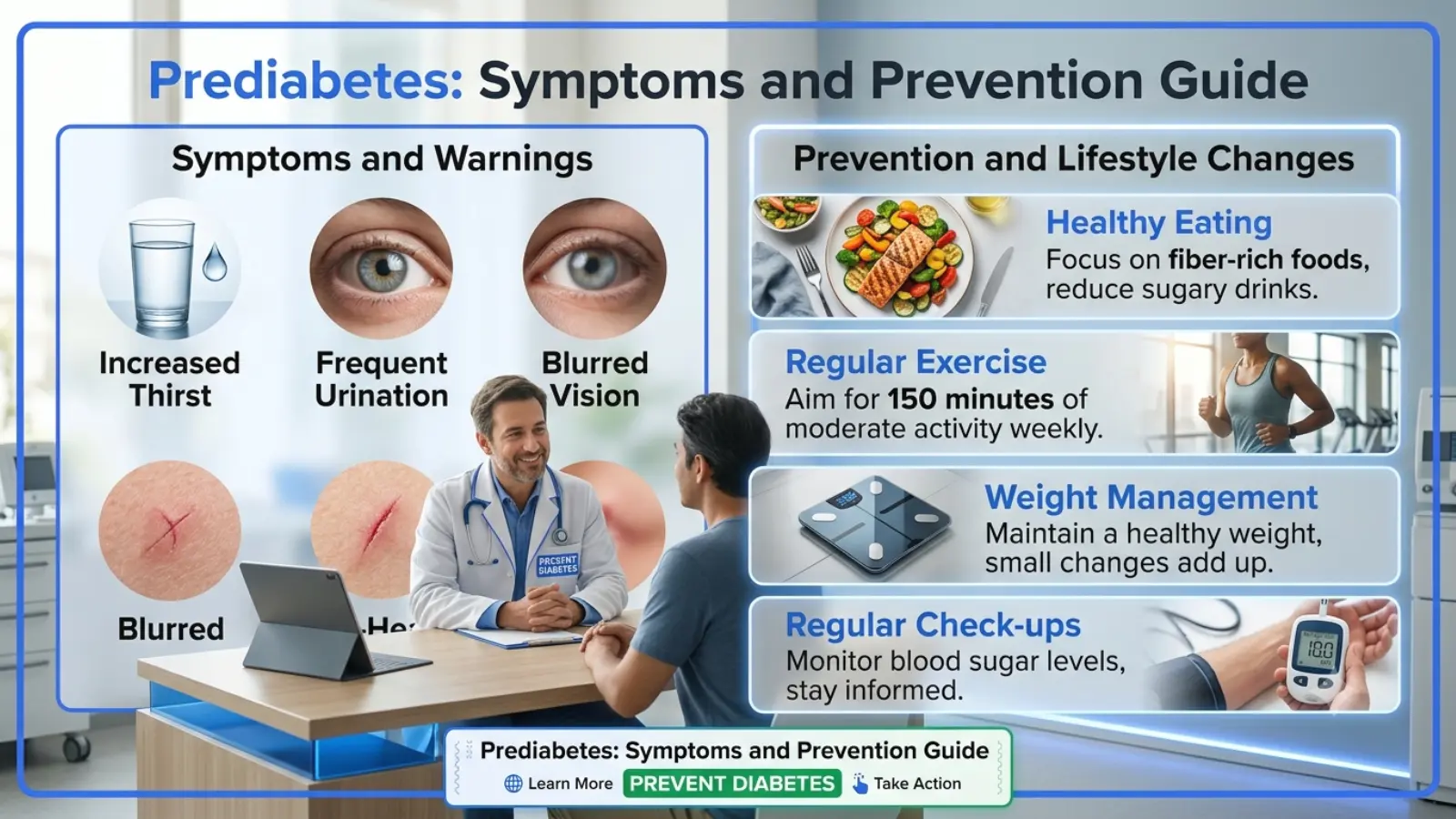
Prediabetes often causes no noticeable symptoms. When symptoms do appear, they may include:
- Increased thirst
- Frequent urination
- Feeling tired more often
- Blurred vision
- Increased hunger
- Slow healing cuts
- Dark patches of skin, especially around the neck or underarms
The only way to confirm prediabetes is through a blood sugar test recommended by a healthcare professional.
What Is Prediabetes?
Prediabetes is a health condition where your blood sugar is higher than normal but not high enough to be diagnosed as type 2 diabetes.
Think of it as an early warning sign. Your body is beginning to have trouble using insulin effectively, allowing glucose to build up in your bloodstream.
If nothing changes, many people with prediabetes may eventually develop type 2 diabetes. However, healthy eating, regular exercise, maintaining a healthy weight, and regular health checkups can often delay or even prevent this progression.
Does Prediabetes Always Cause Symptoms?
No.
Many people with prediabetes feel completely healthy. This is why doctors often call it a silent condition.
Some people notice subtle changes, while others experience no symptoms until blood sugar levels become much higher.
Routine screening is especially important if you have risk factors such as:
- Being overweight
- Being physically inactive
- Being 35 years or older
- Having a family history of type 2 diabetes
- Having high blood pressure
- Having high cholesterol
- Having had gestational diabetes during pregnancy
Even without symptoms, regular blood sugar testing may detect prediabetes early.
Early Prediabetes Symptoms
Although many people have no symptoms, some early warning signs may appear.
1. Increased Thirst
Feeling thirsty more often than usual can happen when excess sugar builds up in your bloodstream. Your body tries to remove the extra sugar by producing more urine, which can lead to dehydration.
If you constantly feel thirsty despite drinking enough water, it is worth discussing with a healthcare professional.
2. Frequent Urination
Needing to urinate more often, especially during the night, can sometimes be linked to rising blood sugar levels.
Your kidneys work harder to remove extra glucose from your blood, leading to increased urine production.
Frequent urination may also have other causes, such as urinary tract infections or certain medications, so proper medical evaluation is important.
3. Feeling Tired All the Time
Persistent fatigue is another possible warning sign.
When insulin does not work effectively, your body’s cells cannot use glucose efficiently for energy. As a result, you may feel tired even after getting enough sleep.
Fatigue can have many causes, including poor sleep, anemia, thyroid disorders, or stress. Blood sugar testing can help determine whether prediabetes may be contributing.
4. Blurred Vision
High blood sugar can temporarily affect the shape of the eye’s lens. This may cause blurry vision that comes and goes.
READ MORE:High Blood Sugar Symptoms: Early Warning Signs You Should Never Ignore (2026 Guide)
While blurred vision does not always mean prediabetes, it should never be ignored, especially if it appears together with other symptoms.
5. Increased Hunger
Some people feel hungry more often because their cells are not getting enough energy from glucose.
Even after eating, you may still feel hungry if your body has difficulty using insulin effectively.
Frequent hunger alone does not confirm prediabetes, but it can be one piece of the overall picture.
6. Slow Healing Cuts and Wounds
Cuts, scratches, or minor injuries that take longer than expected to heal may sometimes be associated with elevated blood sugar.
High glucose levels can affect circulation and the body’s natural healing process.
If you notice wounds that heal slowly or become infected easily, seek medical advice.
7. Dark Patches of Skin
One of the more noticeable warning signs is dark, velvety skin, often appearing on the:
- Neck
- Armpits
- Groin
- Elbows
- Knuckles
This condition is called acanthosis nigricans and is commonly associated with insulin resistance.
Although it does not always mean prediabetes, it should be evaluated by a healthcare professional.
8. Tingling or Numbness
Some people report mild tingling or numbness in their hands or feet.
While nerve damage is more common in diabetes than prediabetes, persistent numbness should always be evaluated because it can have many possible causes.
When Should You Get Tested?
You should consider talking with a healthcare professional about screening if you:
- Are 35 years or older
- Have overweight or obesity
- Have a parent or sibling with type 2 diabetes
- Have high blood pressure
- Have high cholesterol
- Have polycystic ovary syndrome (PCOS)
- Had gestational diabetes during pregnancy
- Are physically inactive
A simple blood test can often detect prediabetes before serious complications develop.
What Causes Prediabetes?
While prediabetes symptoms may be mild or absent, the condition often develops because of insulin resistance.
Insulin is a hormone made by the pancreas. Its job is to help glucose (sugar) move from your bloodstream into your body’s cells, where it is used for energy.
When your cells become less responsive to insulin, glucose stays in the blood instead of entering the cells. To compensate, the pancreas produces more insulin. Over time, this process may not be enough to keep blood sugar at normal levels, leading to prediabetes.
Several factors can contribute to insulin resistance, including:
- Excess body weight, especially around the waist
- Physical inactivity
- A diet high in added sugars and highly processed foods
- Poor sleep habits
- Chronic stress
- Certain medical conditions
- Family history of type 2 diabetes
In many cases, more than one factor plays a role.
Who Is Most at Risk for Prediabetes?
Some people develop prediabetes symptoms, while others have no noticeable signs, but some people have a higher risk than others.
You may be at higher risk if you:
- Are 35 years or older
- Are overweight or have obesity
- Have a parent, brother, or sister with type 2 diabetes
- Get little physical activity during the week
- Have high blood pressure
- Have unhealthy cholesterol levels
- Had gestational diabetes during pregnancy
- Have polycystic ovary syndrome (PCOS)
- Smoke or use tobacco products
- Have sleep apnea or poor sleep quality
Having one or more risk factors does not mean you will definitely develop diabetes. However, it does mean that regular screening and healthy lifestyle choices become even more important.
Prediabetes vs. Type 2 Diabetes
Although these conditions are closely related, they are not the same.
| Feature | Prediabetes | Type 2 Diabetes |
| Blood sugar | Higher than normal | Significantly higher than normal |
| Symptoms | Often mild or absent | More noticeable and may become severe |
| Diagnosis | Blood tests show elevated glucose below the diabetes range | Blood tests meet the diabetes diagnostic range |
| Can it improve? | Often yes, with lifestyle changes | Can often be managed, but usually requires ongoing treatment |
| Health risks | Increased future risk of diabetes and heart disease | Higher risk of complications affecting the heart, kidneys, eyes, and nerves |
The biggest advantage of finding prediabetes early is that there is often time to take action before type 2 diabetes develops.
How Is Prediabetes Diagnosed?
Prediabetes cannot be diagnosed based on symptoms alone.
A healthcare professional will recommend one or more blood tests.
A1C Test
The A1C test measures your average blood sugar over the past two to three months.
Unlike a single blood sugar reading, it provides a broader picture of how well your body has been managing glucose.
Doctors commonly use this test for both screening and follow-up.
Fasting Blood Sugar Test
This test measures your blood sugar after you have not eaten for at least eight hours.
It is usually done in the morning before breakfast.
Because food can affect blood sugar levels, fasting helps provide a more accurate result.
Oral Glucose Tolerance Test (OGTT)
This test measures how your body processes sugar.
First, your blood sugar is checked after fasting.
Then you drink a sugary liquid, and your blood sugar is tested again about two hours later.
This test is often used in certain situations, such as evaluating glucose tolerance during pregnancy or when additional information is needed.
Prediabetes Blood Sugar Chart
The table below shows the commonly used blood sugar ranges for adults.
| Test | Normal | Prediabetes | Diabetes |
| A1C | Below 5.7% | 5.7%–6.4% | 6.5% or higher* |
| Fasting Blood Sugar | Below 100 mg/dL | 100–125 mg/dL | 126 mg/dL or higher* |
| Oral Glucose Tolerance Test (2 hours) | Below 140 mg/dL | 140–199 mg/dL | 200 mg/dL or higher* |
*A diagnosis should always be confirmed by a qualified healthcare professional, who may recommend repeat testing depending on the situation.
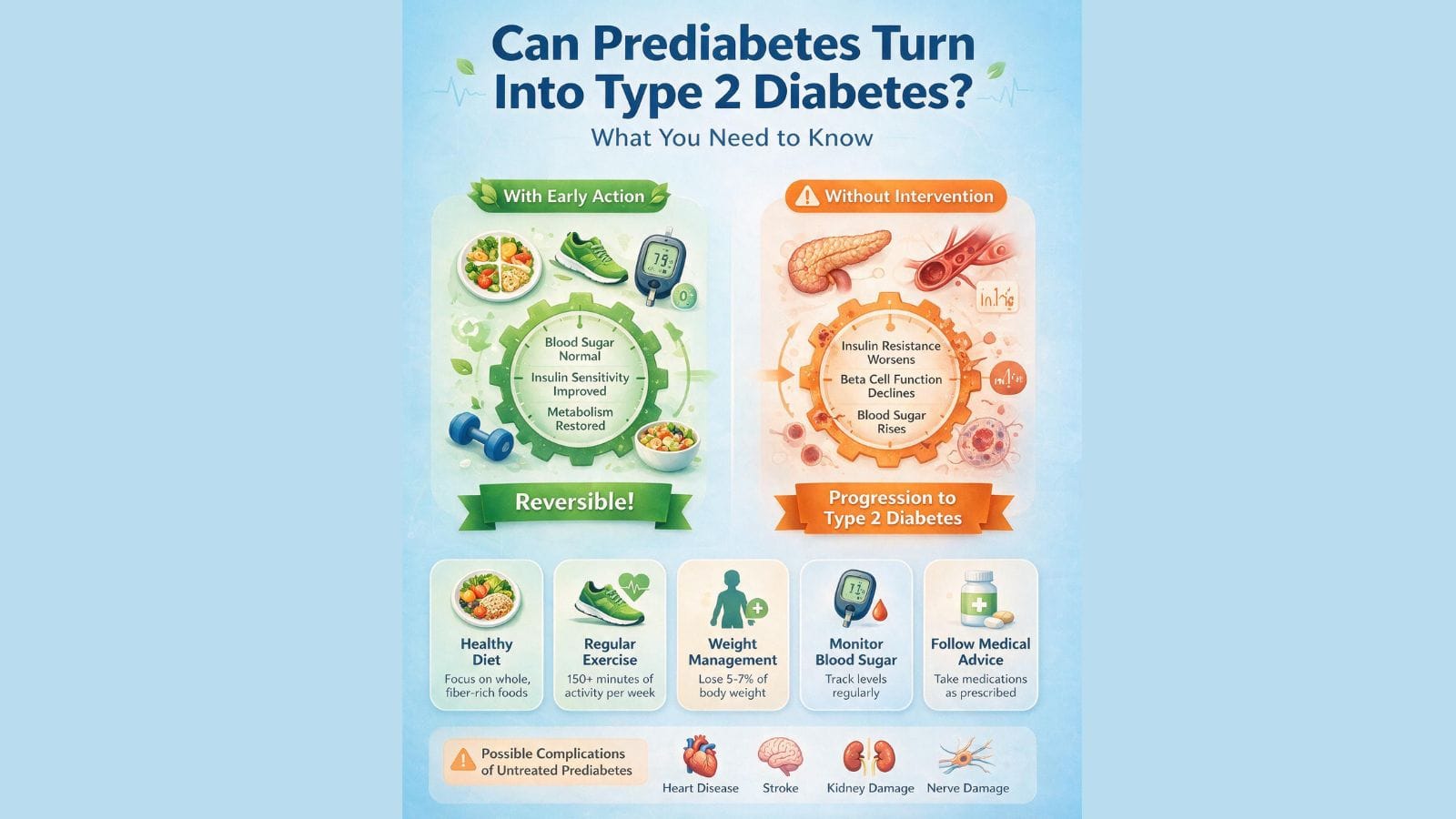
Can Prediabetes Turn Into Type 2 Diabetes?
Yes.
Without healthy lifestyle changes, prediabetes can progress to type 2 diabetes over time.
However, progression is not inevitable.
Many people are able to lower their blood sugar through:
- Eating a balanced diet
- Being physically active
- Losing excess weight, if recommended
- Getting enough sleep
- Managing stress
- Attending regular medical checkups
Early action can make a meaningful difference.
What Happens If Prediabetes Is Left Untreated?
Prediabetes itself may not cause noticeable symptoms, but persistently elevated blood sugar can increase the risk of future health problems.
Over time, untreated prediabetes may raise the likelihood of:
- Type 2 diabetes
- Heart disease
- Stroke
- Kidney disease
- Vision problems
- Nerve damage
These conditions usually develop gradually, which is why early detection and healthy lifestyle changes are so important.
When Should You See a Doctor?
Schedule an appointment with a healthcare professional if you:
- Feel unusually thirsty most days
- Urinate more often than normal
- Notice blurry vision
- Feel tired without a clear reason
- Have slow-healing cuts or wounds
- Notice dark patches of skin around the neck or underarms
- Have a family history of type 2 diabetes
- Have risk factors for prediabetes, even if you feel well
Early testing can help identify blood sugar changes before more serious health problems develop. READ MORE: Online Doctor Consultation in the USA: Benefits, Costs & What to Expect (2026)
Quick Summary
- Prediabetes is usually caused by insulin resistance.
- Many people have no symptoms at all.
- Blood tests-not symptoms-are needed for diagnosis.
- Healthy lifestyle changes may reduce the risk of developing type 2 diabetes.
- Early screening is one of the best ways to protect your long-term health.
Can Prediabetes Be Reversed?
For many people, the answer is yes.
Not everyone with prediabetes will develop type 2 diabetes. It is possible for many individuals to lower their glucose level to normal levels with some lifestyle adjustments.
The goal is not simply to lower blood sugar for a short time. The goal is to improve how your body responds to insulin and reduce your overall risk of future health problems.
Everyone’s situation is different, so your healthcare professional can recommend the best plan based on your age, health history, and blood test results.
Healthy Lifestyle Changes That Can Make a Difference
Small daily habits often have a bigger impact than extreme diets or short-term fitness programs.
Choose a Balanced Diet
A healthy eating pattern can help keep blood sugar more stable throughout the day.
Try to include:
- Fresh vegetables
- Whole fruits
- Whole grains
- Beans and lentils
- Lean chicken or turkey
- Fish
- Eggs
- Low-fat dairy products
- Nuts and seeds
- Healthy fats such as olive oil and avocado
Eating regular meals instead of skipping meals may also help some people maintain steadier blood sugar levels.
Foods to Limit
No single food causes prediabetes, but regularly eating large amounts of highly processed foods may increase your risk over time.
Try to limit:
- Sugary soft drinks
- Candy
- Cakes and pastries
- White bread
- Sugary breakfast cereals
- Fried fast foods
- Processed snacks
- Foods high in added sugar
Instead of aiming for perfection, focus on making healthier choices most of the time.
Stay Physically Active
Exercise helps your muscles use glucose more effectively and can improve insulin sensitivity.
Many adults benefit from activities such as:
- Walking
- Cycling
- Swimming
- Dancing
- Strength training
- Gardening
- Active household chores
If you have not exercised for a long time, start slowly and increase your activity gradually after discussing it with your healthcare professional.
Maintain a Healthy Weight
Even modest weight loss may improve blood sugar levels for some people who are overweight.
Healthy weight management is usually more successful when it combines:
- Balanced eating
- Regular physical activity
- Good sleep
- Consistent healthy habits
Avoid crash diets or products that promise quick results.
Sleep Matters More Than Many People Think
Poor sleep may affect the hormones that help control hunger and blood sugar.
To improve sleep:
- Go to bed at the same time each night.
- Keep your bedroom cool and quiet.
- Limit screen time before bed.
- Avoid large meals late at night.
- Talk with your healthcare professional if you regularly snore or suspect sleep apnea.
Manage Stress in Healthy Ways
Long-term stress can make healthy habits more difficult to maintain.
Simple ways to reduce stress include:
- Taking a short walk
- Deep breathing exercises
- Reading
- Listening to relaxing music
- Spending time with family or friends
- Practicing mindfulness or prayer, depending on your personal beliefs
Finding healthy ways to cope with stress can support your overall well-being.
Homeopathy and Prediabetes: A Balanced Perspective
Some people choose homeopathy as part of their overall wellness routine.
Homeopathic care is individualized, meaning remedies are selected based on a person’s unique symptoms and overall health rather than blood sugar numbers alone.
However, homeopathy should not replace blood sugar testing, healthy lifestyle changes, or medical care recommended by a qualified healthcare professional.
If you are interested in homeopathic care, discuss your options with a qualified practitioner while continuing regular blood sugar monitoring and following your healthcare provider’s advice.
READ MORE: Homeopathic Medicine for Cold and Cough: Best Remedies, Benefits & Safety (2026)
Can Prediabetes Be Prevented?
Although not every case can be prevented, healthy habits may significantly lower the risk for many people.
Helpful prevention strategies include:
- Maintain a healthy weight.
- Stay physically active.
- Eat a balanced diet.
- Limit sugary drinks.
- Avoid smoking.
- Get enough sleep.
- Manage stress.
- Attend regular health checkups.
- Follow your healthcare provider’s recommendations.
Even small improvements can have long-term health benefits.
Common Myths About Prediabetes
Myth: Prediabetes always causes symptoms.
Fact: Many people have no symptoms at all.
Myth: Only older adults get prediabetes.
Fact: Adults of many ages can develop prediabetes, especially if they have certain risk factors.
Myth: Eating sugar alone causes prediabetes.
Fact: Prediabetes usually develops because of several factors, including insulin resistance, body weight, physical activity, genetics, and overall eating habits.
Myth: If you have prediabetes, you will definitely develop diabetes.
Fact: Many people reduce their risk through healthy lifestyle changes and regular medical care.
Frequently Asked Questions (FAQ)
1. Can prediabetes go away?
For many people, blood sugar can return to a healthier range through lifestyle changes such as healthy eating, regular exercise, and weight management. Regular follow-up with a healthcare professional is still important.
2. Is prediabetes serious?
Prediabetes is an important warning sign. Without treatment or lifestyle changes, it can increase the risk of type 2 diabetes and other health problems over time.
3. What is the first symptom of prediabetes?
Many people have no symptoms. When symptoms occur, increased thirst, frequent urination, tiredness, and blurred vision are among the more common early signs.
4. Can I have prediabetes without knowing it?
Yes. Many people feel completely healthy until a routine blood test detects elevated blood sugar.
5. How often should I get tested?
The right testing schedule depends on your age, risk factors, and previous test results. Your healthcare professional can recommend how often you should be screened.
6. Is medication always needed?
Not always. Some people manage prediabetes with lifestyle changes alone, while others may benefit from medication based on their individual health needs.
7. Does drinking more water lower blood sugar?
Staying hydrated is important for overall health, but drinking extra water alone is not a treatment for prediabetes.
8. Which doctor should I see?
You can start with a primary care physician, family doctor, or an endocrinologist. They can evaluate your symptoms, order appropriate blood tests, and recommend a treatment plan if needed.
9. What are some natural ways to reverse prediabetes without medication or insulin injections?
It is possible for many to regulate their blood sugar level by making certain positive changes in their lives, including eating a balanced diet, working out on a regular basis, having a healthy body mass, sleeping sufficiently, and dealing with stress. Getting tested for blood sugar on a consistent basis and consulting with a medical professional is also crucial.
10. How do I control prediabetes?
The following are ways in which you can help control prediabetes through eating a balanced diet, engaging in physical activities, maintaining healthy weight, having adequate rest, dealing with stress, and checking blood sugar levels regularly. Consult your healthcare practitioner for more information.
Key Takeaways
- Prediabetes often develops without noticeable symptoms.
- Blood tests are the only reliable way to diagnose prediabetes.
- Early detection creates an opportunity to lower the risk of type 2 diabetes.
- Healthy eating, regular physical activity, quality sleep, and weight management all play important roles.
- Work with a qualified healthcare professional to create a plan that fits your individual needs.
Conclusion
Prediabetes is a warning sign-not a life sentence.
Many people discover they have prediabetes during a routine blood test, long before serious complications develop. Prediabetes symptoms are often easy to overlook, but early action can make a meaningful difference.
If you have symptoms or risk factors, don’t wait for the condition to worsen. Talk with a qualified healthcare professional about appropriate screening and personalized advice.
By staying active, eating a balanced diet, maintaining a healthy weight, and monitoring your blood sugar when recommended, you can take meaningful steps toward protecting your long-term health.
Medical Disclaimer
This article is for educational purposes only and should not be used as a substitute for professional medical advice, diagnosis, or treatment. If you have symptoms of prediabetes or concerns about your blood sugar, consult a qualified healthcare professional for evaluation and appropriate care.
Taking action early can make a big difference. If you notice possible prediabetes symptoms or have risk factors, talk to a qualified healthcare professional about getting tested. Early detection may help protect your long-term health.
Trusted Resources
- Centers for Disease Control and Prevention (CDC): Prediabetes
- American Diabetes Association (ADA): Diabetes Diagnosis & Tests
- National Institute of Diabetes and Digestive and Kidney Diseases (NIDDK): Prediabetes Overview
- MedlinePlus: Prediabetes

Dr. Khatun invites you to join her in this journey with City Homeo. Your engagement and encouragement are crucial in advancing this endeavor. Together, we can strive towards a healthier community and a better tomorrow.