High Blood Sugar Symptoms: Early Warning Signs You Should Never Ignore (2026 Guide)
Introduction
High Blood Sugar Symptoms are often easy to miss because they usually develop slowly. You may feel thirstier than usual, need to urinate more often, feel tired throughout the day, or notice that small cuts take longer to heal. Many people think these changes are simply part of a busy lifestyle, getting older, or not sleeping well. In reality, they can be your body’s early warning signs that your blood sugar is higher than it should be.
Blood sugar, also called blood glucose, is your body’s main source of energy. It comes from the food you eat and is controlled by a hormone called insulin. When this system does not work properly, sugar builds up in your bloodstream instead of moving into your cells. Over time, high blood sugar can affect your heart, eyes, kidneys, nerves, and overall health if it is left untreated.
The good news is that early symptoms are often your body’s way of asking for attention before more serious problems develop. Recognizing these warning signs and understanding their possible causes can help you seek medical advice sooner and make healthy lifestyle changes that support better blood sugar control.
In this guide, you’ll learn the most common and less common high blood sugar symptoms, what causes them, who is more likely to develop high blood sugar, how doctors diagnose it, and simple daily habits that may help keep blood sugar within a healthy range. Whether you’re concerned about yourself, caring for a family member, or simply learning more about diabetes prevention, this article provides clear, practical, and evidence-based information in easy-to-understand language.
Quick Tip: If you have ongoing thirst, frequent urination, unexplained weight loss, blurred vision, or unusual tiredness, don’t ignore these symptoms. A simple blood sugar test can help identify the cause, and early diagnosis often leads to better long-term health outcomes.
What Are High Blood Sugar Symptoms?
High blood sugar symptoms are the changes your body may show when there is too much glucose in your bloodstream. The medical term for this condition is hyperglycemia. It can happen in people with type 1 diabetes, type 2 diabetes, prediabetes, or sometimes even in people who have never been diagnosed with diabetes.
Your body needs insulin to move glucose from your blood into your cells, where it is used for energy. When your body does not make enough insulin or cannot use it effectively, glucose stays in the bloodstream. As blood sugar levels rise, your body begins sending warning signals.
These symptoms may appear gradually or develop more quickly, depending on how high your blood sugar becomes. Some people notice only one or two mild symptoms, while others experience several at the same time.
Common high blood sugar symptoms include:
- Feeling thirsty more often than usual
- Frequent urination, especially at night
- Feeling tired or lacking energy
- Blurred vision
- Increased hunger
- Dry mouth
- Dry or itchy skin
- Slow-healing cuts or wounds
- Frequent infections
- Headaches
- Difficulty concentrating
- Unexplained weight loss (more common in type 1 diabetes)
Many of these symptoms can also be caused by other health conditions. That is why it is important not to diagnose yourself based on symptoms alone. If these signs continue for several days or keep coming back, talk to a healthcare professional. A simple blood sugar test can confirm whether high blood sugar is the cause.
Early Signs of High Blood Sugar You Should Never Ignore
High blood sugar does not always cause severe symptoms right away. In many people, the early signs are mild and easy to overlook. You may blame them on stress, lack of sleep, hot weather, or a busy schedule. However, when several of these symptoms appear together or keep coming back, it is a good idea to check your blood sugar and talk to a healthcare professional.
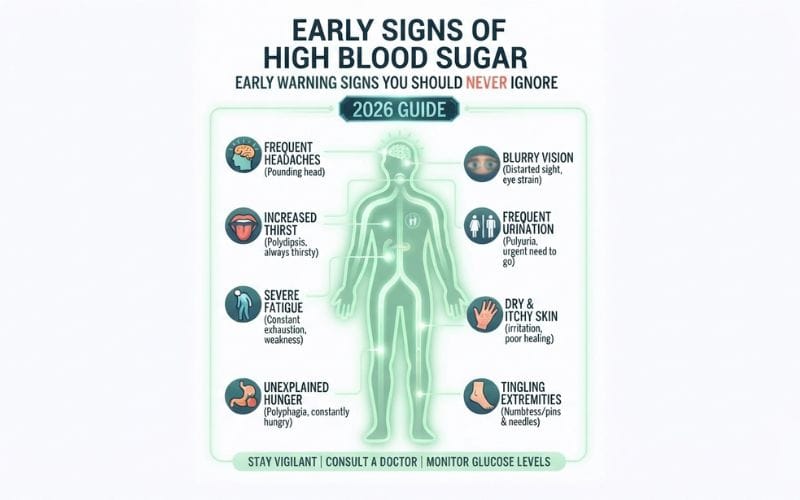
Here are the most common early warning signs to watch for.
Feeling Very Thirsty
Feeling thirsty more often than usual is one of the earliest signs of high blood sugar. When there is too much glucose in your blood, your kidneys work harder to remove the extra sugar through urine. As your body loses more water, you become dehydrated, making you feel thirsty even after drinking fluids.
If you find yourself carrying a water bottle everywhere or waking up at night because you need a drink, it may be worth paying attention to this symptom.
Frequent Urination
Needing to urinate more often, especially during the night, often goes hand in hand with increased thirst. High blood sugar causes your kidneys to filter out extra glucose, which pulls more water into your urine.
While drinking more fluids can naturally increase bathroom visits, frequent urination that continues for several days without another clear reason should not be ignored.
Feeling Tired All the Time
Do you feel low on energy even after getting enough sleep? High blood sugar can make you feel tired because glucose stays in your bloodstream instead of entering your cells, where it is needed for energy.
This type of tiredness may make everyday activities feel more difficult than usual. Some people also notice that they lose motivation or have trouble staying active throughout the day.
Blurred Vision
High blood sugar can temporarily affect the tiny blood vessels and fluids inside your eyes. As a result, your vision may become blurry or your eyes may struggle to focus.
Blurred vision can come and go, but if it continues or suddenly becomes worse, you should have your eyes and blood sugar checked as soon as possible.
Dry Mouth and Dry Skin
When your body loses extra water through frequent urination, you may notice a dry mouth, cracked lips, or dry, itchy skin. Some people also find that their skin feels rough or less hydrated than normal.
Although dry skin has many possible causes, it can also be an early sign that your body is losing more fluid than it should.
Slow-Healing Cuts and Wounds
Small cuts, scratches, or blisters that take longer than usual to heal may be linked to high blood sugar. Over time, high glucose levels can affect blood flow and make it harder for your body to repair damaged skin.
If minor wounds stay open for weeks or become infected easily, it is important to seek medical advice.
Frequent Infections
High blood sugar can weaken your body’s natural defenses, making infections more common. Some people develop repeated skin infections, urinary tract infections, or yeast infections before they even know they have diabetes.
If infections keep coming back despite treatment, it is worth discussing your blood sugar with your healthcare provider.
Increased Hunger
You may feel hungry more often than usual, even after eating a full meal. This happens because your cells are not getting enough glucose for energy, even though there is plenty of sugar in your bloodstream.
Constant hunger together with increased thirst and frequent urination is a combination that should never be ignored.
Headaches
High blood sugar can sometimes trigger headaches, especially when glucose levels stay high for a long time or rise quickly. Some people describe the pain as a dull ache, while others notice headaches that become worse as the day goes on.
Because headaches have many possible causes, they should be considered alongside other symptoms rather than on their own.
Mood Changes and Irritability
Blood sugar levels can affect how you feel emotionally. Some people become more irritable, frustrated, or anxious when their blood sugar is high. Others notice they have less patience or feel emotionally drained without a clear reason.
If these mood changes happen together with physical symptoms, blood sugar may be one possible explanation.
Trouble Focusing or Brain Fog
High blood sugar can make it harder to think clearly. You may forget simple things, lose focus during conversations, or feel like your mind is moving more slowly than usual.
Many people describe this feeling as “brain fog.” While brain fog is not specific to diabetes, it can appear when blood sugar remains above a healthy range.
When Should You Take These Symptoms Seriously?
Having one symptom once in a while does not always mean you have high blood sugar. However, if you notice several of these warning signs at the same time, if they continue for more than a few days, or if they keep returning, it is wise to schedule a medical evaluation.
Early diagnosis can help identify the cause of your symptoms and allow treatment or lifestyle changes before more serious health problems develop.
Less Common High Blood Sugar Symptoms
Not everyone experiences the same signs of high blood sugar. While thirst, frequent urination, and tiredness are well known, some people notice less obvious symptoms that are easy to mistake for other health problems. These signs may develop slowly and can be overlooked for weeks or even months.
Knowing these lesser-known symptoms can help you recognize a possible problem earlier and seek medical advice before complications develop.
Tingling or Numbness in the Hands and Feet
High blood sugar can affect the nerves over time. One of the earliest warning signs may be a tingling, burning, or “pins and needles” feeling in your hands, feet, fingers, or toes. Some people also notice numbness or reduced feeling in these areas.
Although this symptom can have many causes, ongoing tingling or numbness should always be discussed with a healthcare professional, especially if you also have other signs of high blood sugar.
Itchy Skin
Dry, itchy skin is another symptom that many people do not connect with blood sugar levels. When your body loses extra fluids through frequent urination, your skin can become dry and irritated.
If itching continues without a rash, allergy, or another clear cause, it may be worth checking your blood sugar.
Dark Patches of Skin
Some people develop dark, thick, velvety patches of skin around the neck, under the arms, or in the groin area. This skin change is often linked to insulin resistance, a condition that can increase the risk of prediabetes and type 2 diabetes.
These patches are not painful, but they should not be ignored because they can be an early warning sign that your body is having trouble using insulin properly.
Bad Breath That Smells Fruity
In some cases, very high blood sugar can cause the breath to smell sweet or fruity. This happens when the body starts breaking down fat for energy because it cannot use glucose effectively.
Although this symptom is less common, it can be a sign of a serious medical emergency, especially in people with type 1 diabetes. If fruity-smelling breath occurs along with nausea, vomiting, stomach pain, deep breathing, or confusion, seek emergency medical care immediately.
Unexplained Weight Loss
Losing weight without trying may sound like good news, but it can sometimes be a warning sign of uncontrolled high blood sugar.
When your body cannot use glucose for energy, it begins breaking down fat and muscle instead. As a result, you may lose weight even though your appetite stays the same or even increases.
Frequent Yeast Infections
High blood sugar creates an environment where yeast can grow more easily. This can lead to repeated yeast infections, especially in women, but men can also be affected.
If these infections keep returning despite treatment, your healthcare provider may recommend checking your blood sugar levels.
Bleeding or Swollen Gums
Your mouth can also be affected by high blood sugar. Some people notice swollen gums, bleeding while brushing, bad breath, or frequent mouth infections.
Keeping blood sugar within a healthy range and maintaining good oral hygiene can help reduce the risk of these problems.
Slow Recovery After Illness
Do you feel like it takes longer than usual to recover from a cold, the flu, or another common illness? High blood sugar may weaken your immune system, making it harder for your body to fight infections and heal properly.
If you often stay sick longer than others around you, it is worth discussing this with your healthcare provider.
Muscle Weakness or Leg Cramps
Some people with high blood sugar experience muscle weakness, leg cramps, or a heavy feeling in their legs. Frequent urination can lead to dehydration and the loss of important minerals, which may contribute to these symptoms.
Although muscle cramps are common for many reasons, repeated cramps along with other signs of high blood sugar should not be ignored.
When Less Common Symptoms Matter
These symptoms do not always mean you have diabetes or high blood sugar. Many other health conditions can cause similar problems. However, if you notice several of these signs together – or if they appear along with increased thirst, frequent urination, or ongoing tiredness – it is a good idea to have your blood sugar checked.
Paying attention to these early warning signs can lead to faster diagnosis, earlier treatment, and a lower risk of long-term complications. Even small symptoms can provide valuable clues about your overall health, so it is always better to investigate persistent changes than to ignore them.

What Causes High Blood Sugar?
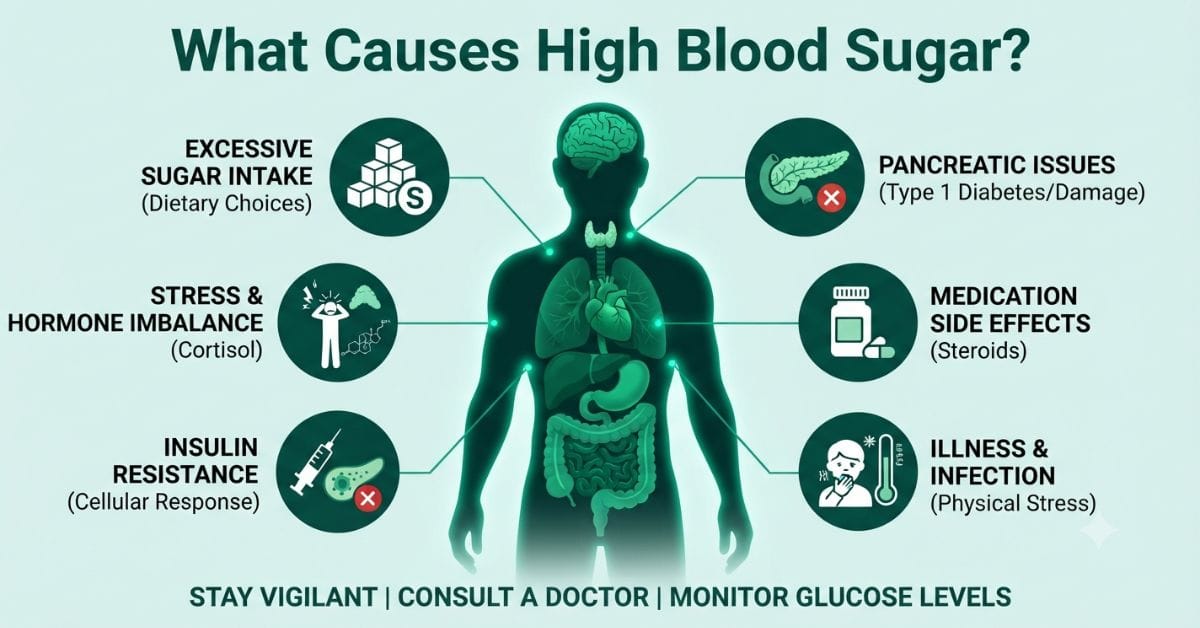
High blood sugar, also called hyperglycemia, develops when there is more glucose in your bloodstream than your body can use or store. This usually happens when your body does not make enough insulin, cannot use insulin properly, or receives more glucose than it can handle at one time.
Understanding the causes of high blood sugar is important because treatment depends on finding the underlying reason. In some cases, blood sugar rises only for a short time. In others, it may be a sign of prediabetes, diabetes, or another health condition that needs ongoing care.
Insulin Resistance
One of the most common causes of high blood sugar is insulin resistance. Normally, insulin helps move glucose from your bloodstream into your cells, where it is used for energy. With insulin resistance, your cells stop responding well to insulin, so glucose remains in your blood.
At first, your pancreas tries to keep up by producing more insulin. Over time, however, it may not be able to make enough, causing blood sugar levels to rise. Insulin resistance is closely linked to prediabetes and type 2 diabetes.
Diabetes
Diabetes is another major cause of high blood sugar.
- Type 1 diabetes develops when the immune system attacks the insulin-producing cells in the pancreas. As a result, the body makes little or no insulin.
- Type 2 diabetes occurs when the body becomes resistant to insulin and gradually produces less of it over time.
- Gestational diabetes can develop during pregnancy and usually improves after childbirth, although it increases the future risk of type 2 diabetes.
Without proper treatment or blood sugar management, all forms of diabetes can lead to persistent high blood sugar.
Eating Too Many Refined Carbohydrates and Sugary Foods
Foods that are high in added sugar or refined carbohydrates can cause blood sugar to rise quickly. Examples include sugary drinks, candy, cakes, cookies, sweet breakfast cereals, white bread, and many highly processed snacks.
Eating these foods occasionally does not usually cause diabetes on its own. However, regularly consuming large amounts—especially when combined with a sedentary lifestyle—can make blood sugar management more difficult over time.
Physical Inactivity
Your muscles use glucose for energy, especially during physical activity. When you spend long periods sitting and rarely exercise, your body becomes less efficient at using glucose. This can contribute to higher blood sugar and increase the risk of insulin resistance.
Even simple activities such as walking after meals or taking regular movement breaks during the day can support healthier blood sugar levels.
Being Overweight or Carrying Extra Belly Fat
Excess body fat, particularly around the waist, is strongly linked to insulin resistance. Belly fat releases substances that can interfere with the way insulin works, making it harder for glucose to enter your cells.
Not everyone with excess weight develops diabetes, and people at a healthy weight can also have high blood sugar. However, maintaining a healthy weight may improve insulin sensitivity for many people.
Stress
Both physical and emotional stress can temporarily raise blood sugar. When you are under stress, your body releases hormones such as cortisol and adrenaline. These hormones help you respond to challenges, but they also signal your liver to release more glucose into the bloodstream.
Occasional stress-related increases are normal. However, long-term stress may make blood sugar harder to manage, especially in people with diabetes.
Poor Sleep
Sleep plays an important role in blood sugar regulation. Regularly sleeping too little or having poor-quality sleep may affect the way your body responds to insulin.
People who work night shifts, frequently wake during the night, or have untreated sleep disorders may have a higher risk of developing insulin resistance and high blood sugar over time.
Certain Medications
Some medicines can increase blood sugar levels as a side effect. These may include certain corticosteroids, some diuretics, a few antipsychotic medicines, and other prescription drugs.
Never stop taking a prescribed medicine without speaking to your healthcare provider. If you are concerned that a medication is affecting your blood sugar, ask your doctor whether monitoring or an alternative treatment may be appropriate.
Illness or Infection
When your body is fighting an illness or infection, it releases stress hormones that help protect you. These hormones can also raise blood sugar, even in people who usually have good glucose control.
For people with diabetes, blood sugar often needs closer monitoring during periods of illness because levels can change more quickly than usual.
Hormonal Changes
Hormonal changes during pregnancy, menopause, puberty, or certain medical conditions can affect insulin sensitivity. Some hormone-related disorders may also increase the likelihood of developing high blood sugar.
Family History and Age
Having a close family member with type 2 diabetes may increase your risk, although it does not mean you will definitely develop the condition. Risk also tends to increase with age, particularly when combined with physical inactivity or excess body weight.
Fortunately, many lifestyle habits that support healthy blood sugar can help reduce risk, even if diabetes runs in your family.
Can More Than One Cause Be Involved?
Yes. In many cases, high blood sugar develops because several factors work together rather than one single cause. For example, someone with a family history of diabetes who also experiences chronic stress, poor sleep, and limited physical activity may be more likely to develop insulin resistance over time.
The good news is that many of these risk factors can be improved. Healthy eating, regular physical activity, maintaining a healthy weight, managing stress, getting enough sleep, and following your healthcare provider’s advice can all play an important role in supporting healthy blood sugar levels.
Key Point: High blood sugar is a symptom, not a disease by itself. Finding the underlying cause is the first step toward choosing the right treatment and protecting your long-term health.
Understanding Insulin Resistance
Insulin resistance is one of the most common reasons why blood sugar levels begin to rise. It often develops quietly over many years, and most people do not realize they have it until a routine blood test or the symptoms of prediabetes or type 2 diabetes begin to appear.
To understand insulin resistance, it helps to know how insulin normally works.
After you eat, your body breaks down carbohydrates into glucose, which enters your bloodstream. In response, your pancreas releases insulin, a hormone that acts like a key. Insulin helps move glucose from your blood into your body’s cells, where it is used for energy.
With insulin resistance, this process no longer works as well. Your cells become less responsive to insulin, making it harder for glucose to enter. As a result, glucose stays in the bloodstream instead of reaching the cells that need it.
To keep blood sugar within a healthy range, your pancreas tries to solve the problem by producing more insulin. This may work for a while, and many people have insulin resistance without noticing any symptoms. However, over time, the pancreas may not be able to keep up with the body’s increasing demand. When that happens, blood sugar levels begin to rise, increasing the risk of prediabetes and eventually type 2 diabetes.
Why Does Insulin Resistance Develop?
There is no single cause. In most cases, insulin resistance develops because several factors work together over time.
Common factors include:
- Carrying extra weight, especially around the waist
- Limited physical activity
- A diet high in sugary drinks and highly processed foods
- Poor sleep habits
- Long-term stress
- Family history of type 2 diabetes
- Getting older
- Certain hormonal conditions and medications
Having one or more of these risk factors does not guarantee that you will develop insulin resistance. However, the more risk factors you have, the greater your chances may become.
Early Signs of Insulin Resistance
Many people have insulin resistance without any obvious symptoms. When signs do appear, they are often subtle and may include:
- Feeling tired after meals
- Increased hunger, even after eating
- Difficulty losing weight
- Extra fat around the waist
- Higher blood sugar on routine blood tests
- Dark, velvety patches of skin around the neck or under the arms
- Higher-than-normal blood pressure or unhealthy cholesterol levels
Because these symptoms can have many different causes, a medical evaluation is needed to confirm whether insulin resistance is present.
Can Insulin Resistance Be Reversed?
For many people, insulin resistance can improve, especially when it is identified early. While there is no quick fix, healthy daily habits can make your body more responsive to insulin over time.
Helpful lifestyle changes include:
- Eating a balanced diet with plenty of vegetables, whole grains, lean protein, and healthy fats
- Limiting sugary drinks and highly processed foods
- Being physically active most days of the week
- Getting enough quality sleep
- Managing long-term stress
- Reaching and maintaining a healthy weight, if recommended by your healthcare provider
Some people may also need medication, depending on their overall health and blood sugar levels. Your healthcare provider can recommend the best treatment plan based on your individual needs.
Why Understanding Insulin Resistance Matters
Insulin resistance is often the first step in the development of type 2 diabetes, but it does not have to lead to diabetes. Recognizing the condition early gives you the opportunity to make changes that may improve your blood sugar, protect your heart, and reduce the risk of future health problems.
Understanding how insulin resistance works also makes it easier to see why healthy eating, regular exercise, stress management, and good sleep are all important parts of long-term blood sugar control.
Common Causes of Insulin Resistance
Insulin resistance usually does not develop because of one single factor. Instead, it is often the result of several lifestyle, genetic, and health-related factors working together over time. While some risk factors cannot be changed, many can be improved through healthy daily habits.
Understanding these common causes can help you take steps to support better blood sugar control and lower your risk of prediabetes and type 2 diabetes.
Excess Belly Fat
Carrying extra weight around the waist is one of the strongest risk factors for insulin resistance. Unlike fat stored in other parts of the body, belly fat is more active and releases substances that can interfere with the way insulin works.
This does not mean everyone with a larger waist will develop insulin resistance. However, reducing excess belly fat through healthy eating and regular physical activity may improve insulin sensitivity over time.
Eating Too Many Highly Processed Foods
A diet that includes large amounts of sugary drinks, sweets, refined grains, fast food, and highly processed snacks may increase the risk of insulin resistance.
These foods are often high in added sugar, unhealthy fats, and refined carbohydrates while being low in fiber. Eating them regularly may lead to repeated spikes in blood sugar and insulin, making it harder for the body to respond to insulin efficiently.
Replacing processed foods with whole, minimally processed options is a healthier long-term approach.
Lack of Physical Activity
Regular movement helps your muscles use glucose more effectively. When you spend most of the day sitting and rarely exercise, your body becomes less efficient at using insulin.
You do not have to become an athlete to make a difference. Walking, cycling, swimming, gardening, or any activity that keeps you moving can support better insulin sensitivity.
Poor Sleep Habits
Getting too little sleep or having poor-quality sleep can affect hormones that help regulate blood sugar and appetite. Over time, this may increase the risk of insulin resistance.
Adults should aim for consistent, restful sleep whenever possible. A regular sleep schedule and good sleep habits can support both metabolic and overall health.
Long-Term Stress
Stress affects more than your mood. When you experience ongoing stress, your body releases hormones such as cortisol that can increase blood sugar and make insulin less effective.
Finding healthy ways to manage stress—such as regular exercise, relaxation techniques, spending time outdoors, or talking with supportive friends and family—may benefit both your mental and physical health.
Family History
Genetics also play a role. If one or both of your parents or close relatives have type 2 diabetes, your risk of developing insulin resistance may be higher.
Although you cannot change your genes, healthy lifestyle choices can still have a positive impact and may help reduce your overall risk.
Hormonal Conditions
Certain hormonal disorders can make insulin resistance more likely. These include conditions such as polycystic ovary syndrome (PCOS) and some hormone-related disorders that affect the body’s metabolism.
If you have a hormonal condition, your healthcare provider may recommend regular blood sugar monitoring as part of your care.
Smoking
Smoking has been linked to a higher risk of insulin resistance and type 2 diabetes. It may also increase the risk of heart disease, which is already more common in people with diabetes.
If you smoke, quitting is one of the best steps you can take to improve your overall health.
Certain Medications
Some prescription medicines can make it harder for the body to use insulin effectively. Examples include certain corticosteroids, some antipsychotic medicines, and a few drugs used to treat other medical conditions.
If you are concerned about your medication, do not stop taking it on your own. Speak with your healthcare provider about whether any changes are needed.
Getting Older
As people age, the risk of insulin resistance tends to increase. This is partly because muscle mass often decreases while physical activity becomes less common.
However, age alone does not determine your health. Staying active, eating a balanced diet, and maintaining a healthy lifestyle can help support insulin sensitivity at any age.
Can You Lower Your Risk?
Although some risk factors cannot be changed, many of the most important ones are within your control. Small, consistent lifestyle improvements often have a greater long-term impact than trying to make dramatic changes all at once.
You may lower your risk of insulin resistance by:
- Maintaining a healthy weight.
- Choosing more whole foods and fewer highly processed foods.
- Being physically active most days of the week.
- Getting enough quality sleep.
- Managing stress in healthy ways.
- Avoiding smoking.
- Following your healthcare provider’s advice if you have other medical conditions.
Key Takeaway
Insulin resistance develops gradually, not overnight. In many cases, it begins years before diabetes is diagnosed. The encouraging news is that recognizing these risk factors early gives you the opportunity to make positive lifestyle changes that support healthier blood sugar levels and reduce the risk of future complications.
How Inflammation Affects Blood Sugar
Many people think blood sugar is only affected by the food they eat. While diet is important, it is only one part of the picture. Long-term, low-grade inflammation can also make it harder for your body to use insulin properly, which may contribute to higher blood sugar levels over time.
Inflammation is your body’s natural way of protecting itself from injury or infection. For example, if you cut your finger, the area may become red, warm, and swollen as your immune system begins the healing process. This type of short-term inflammation is normal and usually goes away once the body has recovered.
The problem begins when inflammation continues for weeks, months, or even years. This is known as chronic inflammation, and it often develops quietly without causing obvious symptoms.
How Chronic Inflammation Can Affect Insulin
When inflammation remains active for a long time, it releases chemicals that can interfere with the way insulin works. As a result, your cells become less responsive to insulin, making it harder for glucose to move from your bloodstream into your cells.
To compensate, your pancreas produces more insulin. Over time, this extra workload may lead to insulin resistance and eventually higher blood sugar levels.
This is one reason why inflammation and insulin resistance are often closely linked.
What Can Trigger Chronic Inflammation?
Many everyday factors may contribute to ongoing inflammation, including:
- Carrying excess body fat, especially around the waist
- Eating large amounts of highly processed foods
- Drinking sugary beverages regularly
- Smoking
- Physical inactivity
- Poor sleep
- Long-term stress
- Some chronic health conditions
Having one of these risk factors does not automatically mean you have chronic inflammation. However, several factors together may increase the likelihood over time.
Possible Signs of Chronic Inflammation
Chronic inflammation does not always cause clear symptoms. When symptoms are present, they may include:
- Feeling tired most of the time
- Ongoing body aches or joint discomfort
- Frequent illnesses or infections
- Slow recovery after illness or injury
- Digestive discomfort
- Difficulty maintaining a healthy weight
These symptoms are not specific to inflammation and can have many different causes. A healthcare professional can help determine the underlying reason.
Can Reducing Inflammation Help Blood Sugar?
For many people, healthy lifestyle habits that reduce inflammation may also support better blood sugar control. Although there is no single food or supplement that can eliminate inflammation, consistent daily habits can make a meaningful difference over time.
Helpful habits include:
- Eating more vegetables, fruits, whole grains, beans, and other fiber-rich foods
- Including healthy fats such as olive oil, nuts, seeds, and fatty fish
- Limiting sugary drinks and highly processed foods
- Being physically active on a regular basis
- Getting enough quality sleep each night
- Managing stress through healthy coping strategies
- Avoiding smoking and limiting alcohol, if you drink
These habits support overall health and may improve the way your body responds to insulin.
Why This Connection Matters
Understanding the link between inflammation and blood sugar helps explain why managing diabetes is about more than simply avoiding sugar. Your daily habits—including what you eat, how active you are, how well you sleep, and how you manage stress—can all influence your body’s ability to regulate blood sugar.
Looking at your health as a whole, rather than focusing on a single symptom, is often the most effective approach for long-term blood sugar management.
Key Point: Chronic inflammation may contribute to insulin resistance, but it is only one part of the picture. A balanced lifestyle that includes healthy eating, regular physical activity, good sleep, and routine medical care offers the best support for healthy blood sugar levels.
Best Anti-Inflammatory Foods for Blood Sugar Support
There is no single “superfood” that can prevent or cure high blood sugar. However, eating a variety of nutrient-rich, minimally processed foods may help reduce chronic inflammation and support better insulin sensitivity over time.
The goal is not to follow a strict diet but to build balanced meals that provide fiber, healthy fats, lean protein, vitamins, and minerals. These nutrients work together to support your body’s natural ability to regulate blood sugar.
Leafy Green Vegetables
Leafy greens such as spinach, kale, Swiss chard, and collard greens are among the healthiest foods you can include in your diet. They are naturally low in calories and carbohydrates while providing fiber, vitamins, and antioxidants that support overall health.
Try adding leafy greens to salads, soups, omelets, or smoothies for an easy nutrition boost.
Berries
Blueberries, strawberries, raspberries, and blackberries are naturally sweet while also being rich in fiber and plant compounds that help protect your cells from damage.
Fresh or frozen berries make a healthier snack than many sugary desserts and can be added to yogurt, oatmeal, or whole-grain cereal.
Fatty Fish
Fatty fish such as salmon, sardines, trout, and mackerel are good sources of omega-3 fatty acids. These healthy fats support heart health and may help reduce inflammation.
Aim to include fatty fish in your meals at least once or twice a week if it fits your dietary preferences and your healthcare provider’s advice.
Nuts and Seeds
Almonds, walnuts, pistachios, chia seeds, flaxseeds, and pumpkin seeds provide healthy fats, protein, fiber, and important minerals.
A small handful of unsalted nuts or a spoonful of seeds can make a satisfying snack or a healthy addition to salads and yogurt.
Olive Oil
Extra virgin olive oil is a key part of many heart-healthy eating patterns. It contains healthy fats and natural plant compounds that may help reduce inflammation.
Use olive oil as a salad dressing or for light cooking instead of solid fats whenever possible.
Avocados
Avocados are rich in heart-healthy monounsaturated fats, fiber, and potassium. They can help make meals more filling and may support healthy blood sugar when eaten as part of a balanced diet.
Try sliced avocado on whole-grain toast, salads, sandwiches, or grain bowls.
Beans and Lentils
Beans, chickpeas, black beans, kidney beans, and lentils are excellent sources of plant protein and fiber.
Because they digest more slowly than many refined carbohydrates, they may help support steadier blood sugar levels after meals.
Whole Grains
Whole grains such as oats, quinoa, brown rice, barley, and whole wheat contain more fiber than refined grains.
Choosing whole grains more often may help improve fullness, digestion, and overall blood sugar management.
Colorful Vegetables
Vegetables such as broccoli, cauliflower, Brussels sprouts, carrots, tomatoes, and bell peppers provide vitamins, minerals, and antioxidants that support overall health.
Filling at least half of your plate with non-starchy vegetables is a simple habit that benefits many people.
Plain Yogurt and Fermented Foods
Plain yogurt with little or no added sugar, along with fermented foods like kefir and sauerkraut, may support a healthy balance of gut bacteria.
A healthy gut may play a role in reducing inflammation and supporting metabolic health, although research is still ongoing.
Foods to Limit
Supporting healthy blood sugar is not only about choosing the right foods—it is also about limiting foods that may contribute to inflammation and rapid blood sugar spikes.
Try to reduce:
- Sugar-sweetened drinks
- Candy and desserts
- White bread and refined grains
- Highly processed snack foods
- Deep-fried foods
- Processed meats
- Foods high in added sugar
You do not need to avoid these foods completely forever, but eating them less often can benefit your overall health.
Building a Blood Sugar-Friendly Plate
Instead of focusing on individual foods, think about your entire meal.
A balanced plate might include:
- Half the plate with non-starchy vegetables
- One-quarter with lean protein such as fish, chicken, beans, or tofu
- One-quarter with whole grains or other high-fiber carbohydrates
- A small serving of healthy fats such as olive oil, nuts, or avocado
This balanced approach provides steady energy while supporting healthy blood sugar and reducing inflammation.
Key Takeaway
No single food can control blood sugar on its own. The greatest benefits come from eating a wide variety of whole, minimally processed foods on a regular basis. Combined with physical activity, good sleep, and stress management, these healthy eating habits can support better insulin sensitivity and long-term metabolic health.
Best Anti-Inflammatory Spices for Blood Sugar Support
Spices do much more than add flavor to your meals. Many everyday spices contain natural plant compounds that may help reduce inflammation and support overall metabolic health. While spices cannot replace a healthy diet, regular exercise, or prescribed medication, they can be part of a balanced eating pattern that supports healthy blood sugar levels.
Here are some of the best anti-inflammatory spices to include in your kitchen.
Cinnamon
Cinnamon is one of the most studied spices for blood sugar health. Some research suggests it may help improve the body’s response to insulin in certain people, although results are not the same in every study.
You can easily add cinnamon to:
- Oatmeal
- Plain yogurt
- Smoothies
- Coffee or tea
- Baked apples
- Whole-grain cereal
Choose cinnamon for its flavor and potential health benefits, but do not rely on it as a treatment for diabetes.
Turmeric
Turmeric is a bright yellow spice commonly used in Asian cooking. Its active compound, curcumin, has been widely studied for its anti-inflammatory properties.
Adding turmeric to soups, curries, rice dishes, or roasted vegetables is a simple way to include it in your meals. Some people combine turmeric with a small amount of black pepper, which may help the body absorb curcumin more effectively.
Ginger
Ginger has long been used in traditional cooking and herbal practices. It contains natural compounds that may help reduce inflammation and support digestion.
Fresh or ground ginger works well in:
- Herbal tea
- Stir-fries
- Soups
- Smoothies
- Vegetable dishes
Its fresh, slightly spicy flavor makes it easy to use in many everyday recipes.
Garlic
Garlic is another flavorful ingredient that offers more than just taste. It contains sulfur compounds and antioxidants that may support heart health and help reduce inflammation.
Fresh garlic can be added to:
- Soups
- Pasta sauces
- Vegetable dishes
- Chicken and fish recipes
- Homemade salad dressings
Because people with diabetes have a higher risk of heart disease, heart-healthy foods like garlic can be a valuable part of a balanced diet. Read more: Junk food and healthy food paragraph
Rosemary
Rosemary contains natural antioxidants that help protect cells from damage caused by oxidative stress.
It pairs well with roasted vegetables, potatoes, chicken, fish, and homemade soups, adding both flavor and aroma without extra salt.
Oregano
Oregano is rich in plant compounds with antioxidant properties. Although it is often used in small amounts, it can add flavor to meals while supporting an overall healthy eating pattern.
Try oregano in:
- Tomato sauces
- Salads
- Grilled vegetables
- Whole-grain pizza
- Chicken dishes
Cayenne Pepper
Cayenne pepper contains capsaicin, the compound responsible for its spicy taste. Some studies suggest capsaicin may support metabolism and overall health, although more research is needed to understand its effects on blood sugar.
If you enjoy spicy foods, use cayenne in moderation to season soups, roasted vegetables, or lean meats.
Black Pepper
Black pepper is one of the world’s most common spices. Besides adding flavor, it contains piperine, a natural compound that may improve the absorption of certain nutrients, including curcumin from turmeric.
Freshly ground black pepper is an easy addition to almost any savory meal.
Simple Ways to Use More Spices
You do not need complicated recipes to enjoy these spices.
Here are a few easy ideas:
- Sprinkle cinnamon on oatmeal or plain yogurt.
- Add fresh ginger to tea or smoothies.
- Cook vegetables with garlic and olive oil.
- Season soups with turmeric and black pepper.
- Use rosemary and oregano when roasting vegetables or chicken.
- Add a pinch of cayenne pepper to chili or bean dishes.
Small changes made consistently are often easier to maintain than major diet changes.
A Few Things to Keep in Mind
Natural spices are generally safe when used in normal cooking amounts. However, taking large amounts as supplements is different.
Some herbal supplements may interact with prescription medicines, including blood thinners and diabetes medications. If you are considering concentrated spice supplements, talk with your healthcare provider first.
Key Takeaway
Spices alone cannot lower high blood sugar or replace medical treatment. However, when combined with a balanced diet, regular physical activity, quality sleep, and other healthy lifestyle habits, they can be a flavorful way to support overall health and help reduce chronic inflammation.
Adding a variety of herbs and spices to your meals is a simple habit that benefits both your taste buds and your long-term well-being.
Simple Lifestyle Changes to Help Manage High Blood Sugar
Managing high blood sugar is not about making one big change overnight. In most cases, small, consistent habits have a greater impact than trying to follow a strict plan for a short time. Healthy lifestyle choices can improve the way your body uses insulin, support more stable blood sugar levels, and lower the risk of long-term complications.
Here are practical habits that can make a real difference.
Eat Balanced Meals
Instead of focusing on cutting out one specific food, aim to build balanced meals that include a mix of vegetables, lean protein, healthy fats, and high-fiber carbohydrates.
A balanced meal helps slow the release of glucose into the bloodstream and may help you feel full for longer.
Some simple ideas include:
- Fill half your plate with non-starchy vegetables.
- Choose whole grains instead of refined grains when possible.
- Include lean protein such as fish, chicken, beans, lentils, eggs, or tofu.
- Add healthy fats like olive oil, nuts, seeds, or avocado.
Stay Physically Active
Regular physical activity helps your muscles use glucose for energy, making blood sugar easier to manage.
You do not need an intense workout to benefit. Activities such as:
- Brisk walking
- Cycling
- Swimming
- Dancing
- Gardening
- Light strength training
can all support better blood sugar control.
If you spend long hours sitting, try standing up and moving around every 30 to 60 minutes.
Maintain a Healthy Weight
For people who are overweight, even modest weight loss may improve insulin sensitivity. Read more: Homeopathic Medicine for Weight Loss: Natural Support, Diet & Lifestyle Guide
The goal is not to reach a perfect number on the scale but to build healthy habits that you can maintain over time.
If you already have a healthy weight, continuing those healthy habits remains important.
Drink Enough Water
Water helps your body stay hydrated and supports many normal body functions.
Choosing water instead of sugar-sweetened drinks can also help reduce unnecessary sugar intake.
If plain water feels boring, try adding slices of lemon, cucumber, or fresh mint for extra flavor.
Get Enough Sleep
Sleep and blood sugar are closely connected.
Most adults benefit from about 7 to 9 hours of quality sleep each night.
Poor sleep may affect hormones that regulate appetite, stress, and insulin, making blood sugar harder to manage.
Creating a regular bedtime routine and limiting screen time before bed may help improve sleep quality.
Manage Stress
Stress is a normal part of life, but ongoing stress can make blood sugar management more difficult.
Healthy ways to manage stress include:
- Deep breathing exercises
- Meditation
- Gentle stretching or yoga
- Spending time outdoors
- Listening to music
- Reading
- Talking with family or friends
Choose activities that fit your lifestyle and help you relax.
Avoid Smoking
Smoking increases the risk of insulin resistance, heart disease, stroke, and many other health problems.
If you smoke, quitting is one of the most valuable steps you can take for your overall health.
If quitting feels difficult, your healthcare provider can recommend programs or treatments that may help.
Limit Alcohol
Alcohol can affect blood sugar in different ways depending on the amount you drink, whether you eat food with it, and whether you have diabetes.
If you drink alcohol, do so in moderation and follow your healthcare provider’s advice.
Take Medications as Prescribed
If you have been diagnosed with diabetes or another medical condition, take your medications exactly as directed.
Do not stop or change your medication without speaking to your healthcare provider, even if your blood sugar starts improving.
Monitor Your Blood Sugar
If your healthcare provider recommends checking your blood sugar at home, keeping a record of your readings can help you understand how food, exercise, illness, stress, and medication affect your glucose levels.
This information can also help guide future treatment decisions.
Keep Up With Regular Health Checkups
Routine medical visits are an important part of preventing complications.
Your healthcare provider may recommend regular:
- Blood sugar tests
- HbA1c tests
- Blood pressure checks
- Cholesterol tests
- Eye examinations
- Kidney function tests
- Foot examinations
These checkups can help identify problems early, when they are often easier to manage.
Small Changes Add Up
You do not need to change everything at once.
Choosing one or two healthy habits and practicing them consistently is often more effective than trying to completely change your lifestyle overnight.
For example, you might begin by:
- Taking a 20-minute walk after dinner.
- Replacing sugary drinks with water.
- Adding one extra serving of vegetables each day.
- Going to bed 30 minutes earlier.
Over time, these small improvements can lead to meaningful health benefits.
Key Takeaway
There is no single habit that can completely control high blood sugar. The best results usually come from combining healthy eating, regular physical activity, good sleep, stress management, and routine medical care.
Consistency matters more than perfection. Every healthy choice you make is a step toward better blood sugar control and long-term health.
When Should You See a Doctor?
Occasional tiredness or feeling thirsty after a hot day does not always mean you have high blood sugar. However, if these symptoms continue, become more frequent, or appear together, it is important not to ignore them.
Getting medical advice early can help identify the cause of your symptoms and, if needed, begin treatment before serious complications develop.
Make an Appointment If You Notice These Symptoms
You should schedule a visit with your healthcare provider if you have one or more of the following symptoms that continue for several days or keep returning:
- Feeling unusually thirsty all the time
- Frequent urination, especially during the night
- Constant tiredness or low energy
- Blurred vision
- Slow-healing cuts or wounds
- Frequent skin, urinary tract, or yeast infections
- Unexplained weight loss
- Increased hunger despite eating regular meals
- Tingling or numbness in your hands or feet
These symptoms do not always mean you have diabetes, but they should be evaluated, especially if you have risk factors such as a family history of diabetes, excess body weight, high blood pressure, or high cholesterol.
Seek Medical Care Promptly If Your Symptoms Get Worse
Do not wait if your symptoms suddenly become more severe. Contact a healthcare provider as soon as possible if you experience:
- Extreme thirst that does not improve
- Very frequent urination
- Severe weakness or unusual fatigue
- Blood sugar readings that remain high if you monitor your glucose at home
- Repeated vomiting or difficulty keeping fluids down
These symptoms may require prompt medical assessment.
Read more: Chronic Fatigue Symptoms, Causes, and Treatment: Understanding the Difference from Weakness
When Is It an Emergency?
In some cases, very high blood sugar can become a medical emergency.
Seek emergency medical care immediately if you or someone else develops:
- Confusion or difficulty staying awake
- Severe shortness of breath or deep, rapid breathing
- Fruity-smelling breath
- Severe dehydration
- Persistent vomiting
- Severe abdominal pain
- Loss of consciousness
These symptoms may be signs of serious diabetes-related emergencies that require immediate treatment.
Who Should Consider Regular Blood Sugar Screening?
Even if you feel healthy, routine blood sugar testing may be recommended if you:
- Are 35 years or older (or earlier if you have additional risk factors)
- Are overweight or have excess belly fat
- Have a close family member with type 2 diabetes
- Have high blood pressure or abnormal cholesterol levels
- Have a history of gestational diabetes
- Have polycystic ovary syndrome (PCOS)
- Live a mostly inactive lifestyle
Your healthcare provider can recommend the most appropriate screening schedule based on your personal risk factors.
What Will Your Doctor Do?
During your appointment, your healthcare provider may:
- Ask about your symptoms and medical history
- Review your family history
- Perform a physical examination
- Recommend blood tests, such as a fasting blood sugar test or an HbA1c test
- Discuss lifestyle changes if needed
- Recommend treatment or additional testing if diabetes or another condition is suspected
These steps help identify the cause of your symptoms and guide the most appropriate care.
Read more:Online Doctor Consultation in the USA: Benefits, Costs & What to Expect (2026)
Don’t Ignore Early Warning Signs
Many people delay seeking medical advice because their symptoms seem mild or come and go. Unfortunately, high blood sugar can quietly damage the eyes, kidneys, nerves, heart, and blood vessels over time.
The earlier high blood sugar is identified, the more options you may have to manage it successfully and reduce the risk of long-term complications.
Key Takeaway: Persistent symptoms should never be ignored. A simple blood sugar test can often provide valuable answers and help you take action before more serious health problems develop.
How Is High Blood Sugar Diagnosed?
High blood sugar cannot be confirmed based on symptoms alone. While signs such as increased thirst, frequent urination, or ongoing tiredness may suggest a problem, the only way to know for sure is through blood tests.
Your healthcare provider will consider your symptoms, medical history, family history, and test results before making a diagnosis.
Fasting Blood Sugar Test
A fasting blood sugar (FBS) test measures your blood glucose after you have not eaten for at least 8 hours. It is one of the most common tests used to check for prediabetes and diabetes.
In general:
| Fasting Blood Sugar | What It May Mean |
|---|---|
| Less than 100 mg/dL | Usually considered normal |
| 100–125 mg/dL | May suggest prediabetes |
| 126 mg/dL or higher (on two separate tests) | May indicate diabetes |
Your healthcare provider will interpret your results based on your overall health and any symptoms you may have.
HbA1c Test
The HbA1c test, sometimes called the A1C test, shows your average blood sugar level over the past two to three months.
Unlike a fasting blood sugar test, you usually do not need to fast before having an HbA1c test.
General HbA1c ranges are:
| HbA1c Result | What It May Mean |
|---|---|
| Below 5.7% | Usually considered normal |
| 5.7%–6.4% | May suggest prediabetes |
| 6.5% or higher | May indicate diabetes |
Because this test reflects long-term blood sugar control, it is also commonly used to monitor people who already have diabetes.
Random Blood Sugar Test
A random blood sugar test measures your glucose level at any time of the day, regardless of when you last ate.
If you have symptoms of high blood sugar and your random blood sugar is significantly elevated, your healthcare provider may recommend additional testing to confirm the diagnosis.
Oral Glucose Tolerance Test (OGTT)
The oral glucose tolerance test (OGTT) checks how well your body handles glucose.
For this test:
- Your blood sugar is measured after fasting.
- You drink a glucose-containing beverage.
- Your blood sugar is checked again over the next two hours.
This test is commonly used during pregnancy to screen for gestational diabetes, but it may also be used in other situations.
Additional Tests Your Doctor May Recommend

Depending on your symptoms and medical history, your healthcare provider may also order:
- Cholesterol tests
- Kidney function tests
- Liver function tests
- Urine tests
- Blood pressure measurements
- Weight and waist circumference assessment
These tests help provide a more complete picture of your overall health.
Can You Check Your Blood Sugar at Home?
Yes. Many people use a blood glucose meter or a continuous glucose monitor (CGM) to check their blood sugar at home.
Home monitoring can help:
- Understand how meals affect blood sugar.
- See how exercise changes glucose levels.
- Monitor the effects of medication.
- Identify patterns over time.
However, home readings should not replace a medical diagnosis. Always discuss unusual results with your healthcare provider.
What Happens After Diagnosis?
If your tests show high blood sugar, your healthcare provider will recommend a treatment plan based on the underlying cause.
This plan may include:
- Healthy lifestyle changes
- Regular physical activity
- Weight management, if appropriate
- Blood sugar monitoring
- Diabetes education
- Prescription medication or insulin, when needed
Not everyone with high blood sugar requires the same treatment. Care is individualized based on your health, age, symptoms, and test results.
Why Early Diagnosis Matters
High blood sugar often develops gradually, and many people do not realize they have it until complications begin to appear.
Finding the problem early gives you more opportunities to manage your blood sugar, reduce the risk of complications, and protect your long-term health.
Key Takeaway: Symptoms can raise suspicion, but blood tests confirm the diagnosis. If you have ongoing signs of high blood sugar, speak with your healthcare provider instead of trying to diagnose yourself.
Can High Blood Sugar Be Prevented?
Not every case of high blood sugar can be prevented. For example, people with type 1 diabetes cannot prevent the condition because it is caused by the immune system. However, many cases of prediabetes, insulin resistance, and type 2 diabetes may be delayed or prevented by adopting healthy lifestyle habits.
Prevention is not about being perfect. It is about making small, consistent choices that support your body’s ability to regulate blood sugar over time.
Choose a Balanced Diet
A healthy eating pattern is one of the most effective ways to support normal blood sugar levels.
Instead of following restrictive diets, focus on eating a variety of nutrient-rich foods, including:
- Fresh vegetables
- Whole fruits
- Whole grains
- Beans and lentils
- Lean protein
- Healthy fats such as olive oil, nuts, and seeds
At the same time, try to limit foods and drinks that are high in added sugar and highly processed carbohydrates.
Healthy eating is about balance, not completely avoiding your favorite foods.
Stay Active Every Day
Regular physical activity helps your muscles use glucose more efficiently and improves insulin sensitivity.
You do not need a gym membership to stay active. Walking, cycling, swimming, dancing, gardening, or even taking the stairs more often can all support better blood sugar control.
Aim to move your body most days of the week in ways you enjoy.
Maintain a Healthy Weight
If you are overweight, losing even a modest amount of weight may improve the way your body responds to insulin.
Healthy weight loss should happen gradually through balanced eating and regular physical activity rather than crash diets or quick fixes.
Get Enough Quality Sleep
Poor sleep may increase the risk of insulin resistance and make blood sugar harder to regulate.
Most adults benefit from 7 to 9 hours of sleep each night.
Simple habits such as keeping a regular bedtime, reducing screen time before bed, and creating a comfortable sleep environment may improve sleep quality.
Manage Stress in Healthy Ways
Long-term stress can affect hormones that influence blood sugar.
Healthy stress management may include:
- Walking outdoors
- Meditation
- Deep breathing exercises
- Yoga or stretching
- Spending time with family and friends
- Enjoying hobbies that help you relax
Even a few minutes of relaxation each day can be beneficial.
Avoid Smoking
Smoking increases the risk of insulin resistance, type 2 diabetes, heart disease, and stroke.
If you smoke, quitting can improve your overall health and reduce the risk of many chronic diseases.
Limit Sugar-Sweetened Drinks
Soft drinks, energy drinks, sweetened coffee beverages, and many fruit-flavored drinks can contain large amounts of added sugar.
Replacing these drinks with water, sparkling water, or unsweetened tea is a simple step that may support healthier blood sugar levels.
Schedule Regular Health Checkups
Routine medical checkups can identify changes in blood sugar before symptoms appear.
If you have risk factors such as a family history of diabetes, high blood pressure, excess body weight, or previous gestational diabetes, ask your healthcare provider how often you should be screened.
Early detection often leads to better long-term outcomes.
Know Your Family History
Although you cannot change your genes, knowing your family history helps you understand your personal risk.
If diabetes runs in your family, healthy lifestyle habits become even more important.
Make Small Changes That Last
Many people try to change everything at once and quickly become overwhelmed.
Instead, focus on one healthy habit at a time.
For example:
- Walk for 20–30 minutes after dinner.
- Replace one sugary drink each day with water.
- Add an extra serving of vegetables to your meals.
- Go to bed 30 minutes earlier.
- Cook more meals at home instead of ordering fast food.
These small improvements can become lasting habits that support better health.
Prevention Starts Before Symptoms Appear
One of the biggest mistakes people make is waiting until symptoms develop.
By the time thirst, frequent urination, or blurred vision appear, blood sugar may already have been elevated for some time.
Healthy habits are most effective when they become part of your daily routine—not just after a diagnosis.
Key Takeaway
While high blood sugar cannot always be prevented, many of the factors that increase the risk are within your control. Eating a balanced diet, staying physically active, getting enough sleep, managing stress, avoiding smoking, and having regular health checkups can all support healthy blood sugar levels and reduce the risk of future complications.
Remember, prevention is a long-term commitment. Small, consistent choices made today can have a lasting impact on your health tomorrow.
Frequently Asked Questions (FAQ)
1. What are the first signs of high blood sugar?
The earliest signs of high blood sugar often include increased thirst, frequent urination, unusual tiredness, blurred vision, and increased hunger. Some people also notice dry mouth, headaches, or difficulty concentrating. Because these symptoms can develop gradually, they are sometimes mistaken for stress or lack of sleep.
2. Can you have high blood sugar without knowing it?
Yes. Many people have high blood sugar for months or even years without obvious symptoms. This is especially common in prediabetes and the early stages of type 2 diabetes. Regular health checkups and blood sugar testing can help detect the condition before complications develop.
3. What causes blood sugar to rise?
Blood sugar can increase for many reasons, including insulin resistance, diabetes, eating large amounts of refined carbohydrates, physical inactivity, illness, stress, poor sleep, certain medications, and hormonal changes. In many cases, more than one factor is involved.
4. Does eating sugar always cause high blood sugar?
Not necessarily. Eating sugary foods can temporarily raise blood sugar, but diabetes usually develops because of a combination of factors such as genetics, insulin resistance, excess body weight, physical inactivity, and long-term lifestyle habits. One food alone does not cause diabetes.
5. Can stress increase blood sugar?
Yes. Physical and emotional stress can trigger the release of hormones such as cortisol and adrenaline. These hormones may increase blood sugar temporarily, particularly in people who already have diabetes or insulin resistance.
6. What foods help support healthy blood sugar?
A balanced diet that includes vegetables, whole grains, beans, lean protein, healthy fats, nuts, seeds, and whole fruits can support healthy blood sugar levels. Limiting highly processed foods and sugar-sweetened drinks may also be helpful.
7. Can exercise lower blood sugar?
Yes. Physical activity helps your muscles use glucose for energy, which can improve insulin sensitivity and support healthier blood sugar levels. Even simple activities like walking after meals can be beneficial for many people.
8. When should I have my blood sugar tested?
You should consider talking to your healthcare provider about testing if you have symptoms of high blood sugar, a family history of diabetes, excess body weight, high blood pressure, previous gestational diabetes, or other risk factors. Regular screening may also be recommended as you get older.
9. Can high blood sugar be reversed?
The answer depends on the underlying cause. Type 1 diabetes cannot be reversed. However, many people with prediabetes or insulin resistance can improve their blood sugar through healthy eating, regular physical activity, weight management, good sleep, stress reduction, and medical care when needed.
10. Is high blood sugar dangerous?
High blood sugar can become serious if it remains untreated for a long time. Persistently elevated blood sugar may increase the risk of complications affecting the heart, kidneys, eyes, nerves, and blood vessels. Early diagnosis and proper treatment can greatly reduce these risks.
11. Can dehydration raise blood sugar?
Yes. Dehydration can make blood sugar levels appear higher because there is less water in the bloodstream. At the same time, high blood sugar can also cause dehydration by increasing urination. Drinking enough water is an important part of overall health, but it is not a substitute for proper diabetes treatment.
12. Should I see a doctor if I have symptoms of high blood sugar?
Yes. If symptoms such as excessive thirst, frequent urination, blurred vision, unexplained weight loss, or constant tiredness continue for several days or keep returning, you should arrange a medical evaluation. Only appropriate blood tests can confirm whether high blood sugar or another health condition is causing your symptoms.
Quick Reminder: This guide is for educational purposes only and should not replace professional medical advice, diagnosis, or treatment. If you have symptoms of high blood sugar or concerns about your health, consult a qualified healthcare professional.
Key Takeaways
High blood sugar often develops gradually, and the early warning signs can be easy to miss. Paying attention to changes in your body and taking action early may help prevent more serious health problems in the future.
Here are the most important points to remember:
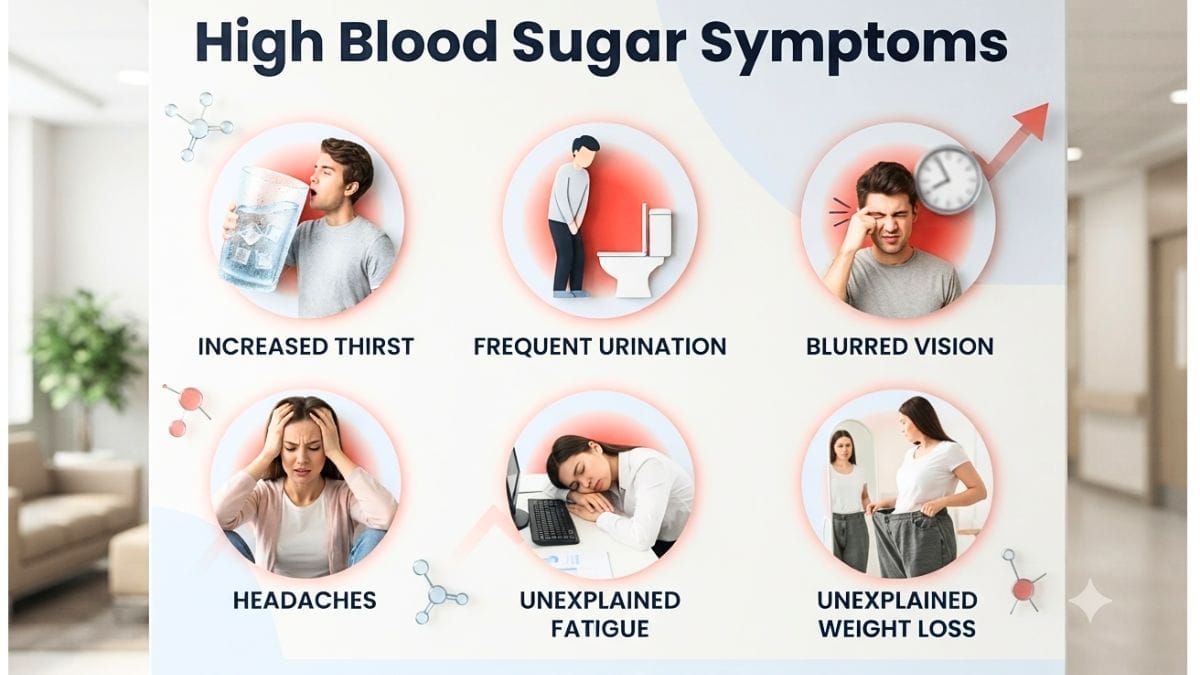
- High blood sugar symptoms may include excessive thirst, frequent urination, ongoing tiredness, blurred vision, increased hunger, dry mouth, slow-healing wounds, frequent infections, and unexplained weight loss.
- Some people also experience less common symptoms such as tingling in the hands or feet, dark patches of skin, itchy skin, recurring yeast infections, or difficulty concentrating.
- Insulin resistance is one of the leading causes of high blood sugar and often develops silently over many years.
- Healthy lifestyle habits—including eating a balanced diet, staying physically active, getting enough sleep, managing stress, and maintaining a healthy weight—can help support healthy blood sugar levels.
- Blood tests such as the fasting blood sugar (FBS) test and HbA1c test are needed to confirm a diagnosis. Symptoms alone are not enough.
- Early diagnosis and appropriate treatment can reduce the risk of long-term complications affecting the heart, kidneys, eyes, nerves, and blood vessels.
Final Thoughts
Your body often gives small warning signs before a health problem becomes more serious. Feeling thirsty more often, needing to urinate frequently, or feeling unusually tired may not always mean you have high blood sugar—but they should not be ignored if they continue or occur together.
The encouraging news is that many people can improve their blood sugar through consistent healthy habits and appropriate medical care. Small changes made today—such as choosing healthier meals, staying active, sleeping well, and keeping up with regular health checkups—can make a meaningful difference over time.
If you think you may be experiencing high blood sugar symptoms, do not try to diagnose yourself based on information you read online. Speak with a qualified healthcare professional, have the recommended blood tests, and follow a treatment plan that is appropriate for your individual needs.
Taking action early is one of the best ways to protect your long-term health and improve your overall quality of life.
Resources:https://diabetes.org/

Dr. Khatun invites you to join her in this journey with City Homeo. Your engagement and encouragement are crucial in advancing this endeavor. Together, we can strive towards a healthier community and a better tomorrow.