Junk Food and Healthy Food Paragraph: Benefits, Risks & Examples
Junk Food and Healthy Food Paragraph
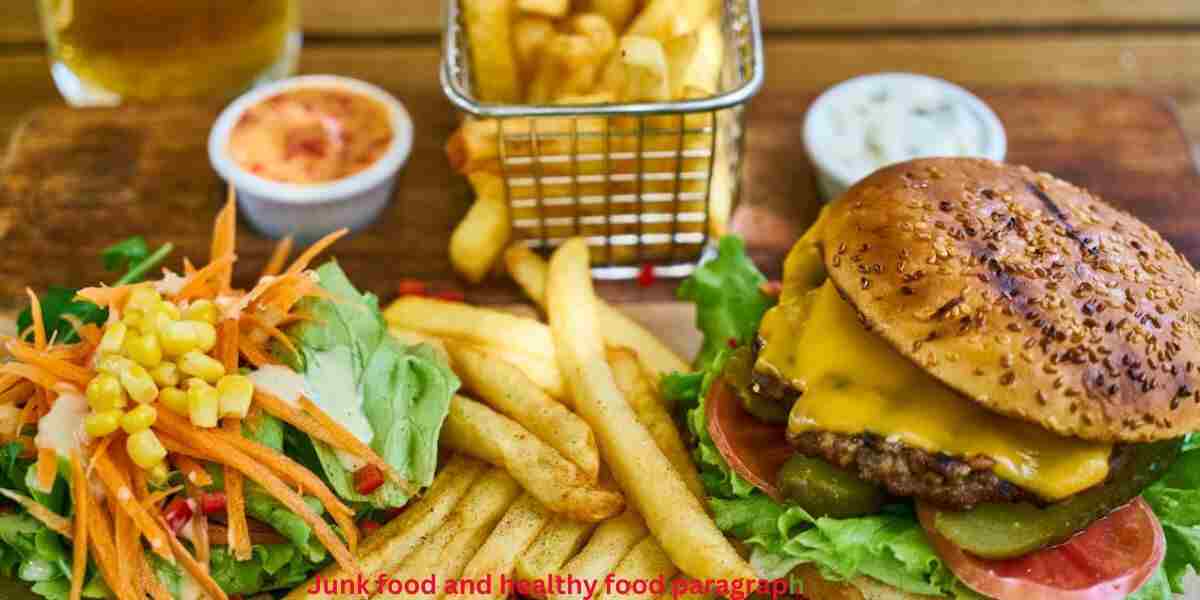
Junk food and healthy food paragraph can help students and readers understand the simple difference between foods that mainly provide calories and foods that provide important nutrients. Junk foods such as chips, sugary drinks, candy, burgers, fries, and many packaged snacks can be tasty and convenient, but eating them too often may make it harder to maintain a balanced diet.
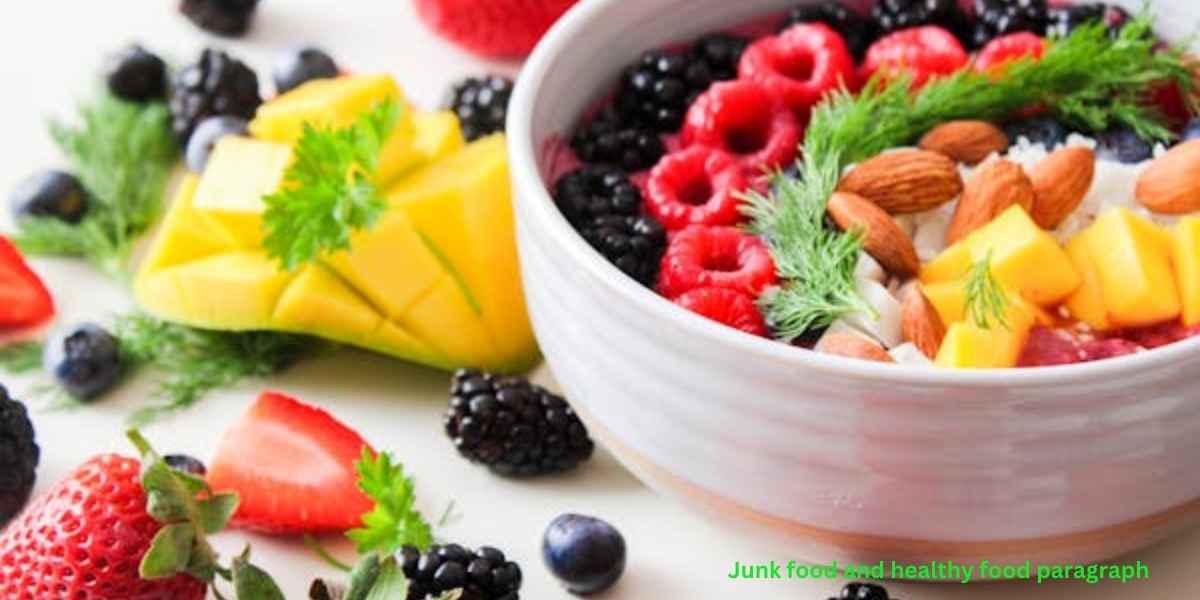
Healthy foods such as fruits, vegetables, whole grains, beans, nuts, eggs, and other nutrient-rich choices provide vitamins, minerals, fiber, protein, and other nutrients the body needs. The goal is not to completely avoid every favorite food. A better approach is to make nutritious foods the main part of your diet and enjoy less nutritious foods occasionally.
In this guide, you will learn what junk food is, how it differs from healthy food, the possible effects of eating too much junk food, and practical ways to make healthier food choices.
What Is Junk Food?
Junk food generally refers to foods that are high in calories, added sugar, sodium, or unhealthy fats but provide relatively little fiber, vitamins, minerals, or other important nutrients.
Common examples include chips, candy, sugary drinks, cookies, fast food, fried snacks, and some highly processed packaged foods. These foods can be convenient and enjoyable, but eating them frequently may make it harder to maintain a balanced diet.
Examples of junk food include:
- Potato chips and other salty snacks
- Candy and sweets
- Sugary soft drinks
- Fried fast food
- Burgers and fries
- Highly processed packaged snacks
- Some sweetened bakery products
Having these foods occasionally does not automatically make a diet unhealthy. The bigger concern is when they regularly replace nutritious foods.
What Is the Difference Between Junk Food and Healthy Food?
This guide to junk food and healthy food explains how these foods differ in nutritional value and how often they may be included in a balanced diet.
| Junk Food | Healthy Food |
|---|---|
| Often high in added sugar, sodium, or unhealthy fats | Usually provides more essential nutrients |
| Often low in fiber and important vitamins | Often contains fiber, vitamins, and minerals |
| Can be highly processed | Can include fresh or minimally processed foods |
| May provide quick energy | Can provide more lasting nutritional support |
| Examples include chips, candy, soda, and fries | Examples include fruits, vegetables, beans, whole grains, and nuts |
| Best enjoyed occasionally | Better choice for regular meals |
Simple rule: Healthy food should make up most of your regular diet, while less nutritious foods can be enjoyed occasionally.
How to Stop Eating Junk Food
Completely changing your eating habits overnight is not necessary. Small, realistic changes are often easier to maintain.
1. Identify your triggers
Notice when you usually crave junk food. Stress, boredom, tiredness, and long gaps between meals can make unhealthy food more tempting.
2. Do not skip meals
Going too long without eating can leave you extremely hungry and more likely to choose convenient snacks.
3. Keep healthier snacks available
Keep options such as fruit, plain yogurt, nuts, seeds, or roasted chickpeas within easy reach.
4. Drink enough water
Make water your regular drink instead of relying on sugary beverages.
5. Change one habit at a time
For example, replace one sugary drink a day with water or another unsweetened drink.
6. Do not aim for perfection
A balanced eating pattern is more realistic than trying to avoid every favorite food forever.
Why Does Junk Food Taste So Appealing?
Junk foods secretly allure people with enjoyment yet result in feelings of emptiness after consumption. Junk food items such as burgers, fries and sugary sodas come to mind.
The mouthfuls of salt and sugar and fat create a small temporary excitement followed by an immediate lack of satisfaction. Your body receives no lasting energy or significant vitamins when you consume them.
Indulging in excessive junk food consumption resembles pouring your vehicle with carbonated drinks whereas gasoline would provide better energy transfer.
Striking this pose initially seems appealing but it cannot transport you far despite its initial facade.
Read more:Best time to exercise for weight loss – When will you get the fastest results from exercising?
How Does Healthy Food Support the Body?
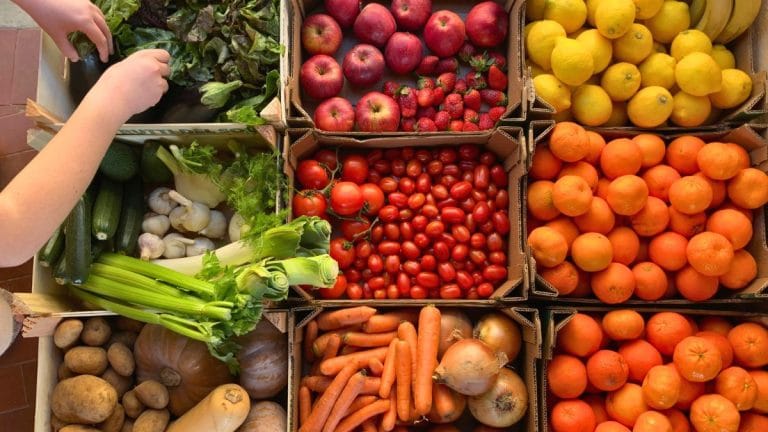
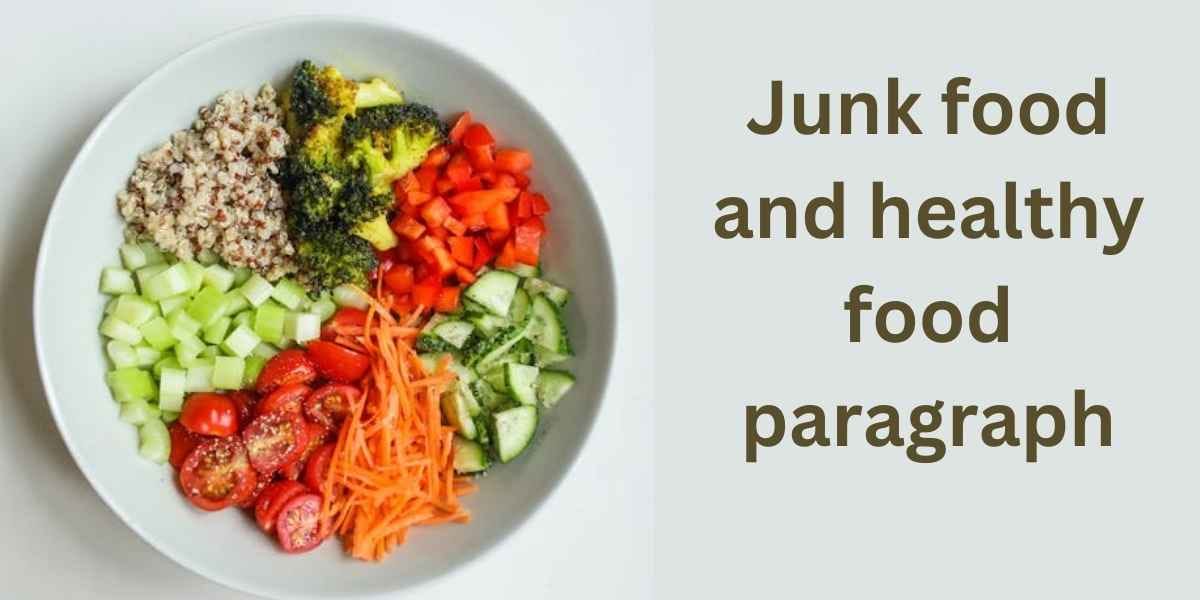
Healthy foods provide nutrients that support normal body functions and overall well-being. Fruits and vegetables can provide vitamins, minerals, fiber, and antioxidants. Whole grains and beans can provide fiber and other nutrients, while foods such as eggs, fish, dairy, nuts, and seeds can contribute protein and other important nutrients.
A balanced diet does not need to be expensive or complicated. Simple meals built around vegetables, fruits, whole grains, protein-rich foods, and healthy fats can make a strong foundation for everyday eating.
Instead of asking, “Which food is perfect?”, it is often more useful to ask, “Does my overall diet provide a good mix of nutrients?”
What Happens When You Eat Too Much Junk Food?
Junk food has found its most powerful ally because it appears in every corner of our lives. When you enter a store the eye-catching candy bars with chip bags create an irresistible appeal as they sit noticeable in front of your vision.
These affordable convenient snacks have fast service for instant purchase. Businesses enhance their food products by using large amounts of sugar and salt to make them more appealing.
These permants seem to be built for making people crave even when they feel complete. Large amounts of this type of consumption lead to fatigue together with feelings of crankiness and eventual sickness.
Why Is Healthy Food a Better Everyday Choice?
Getting access to nutritious food requires considerable seeking since these healthy foods tend to conceal themselves effectively.
Fruits and vegetables do not stand out like junk food does neither are they cheap nor quick to prepare. The great discovery here is that nutritious food achieves outstanding taste.
From a tasty sweet candy that strawberries become in ripeness to grilled chicken seasoned just right which outmatches a greasy burger.
A small measure of creativity includes adding different spices or using a blender when preparing smoothies to bring more enjoyment to healthy food preparation.
Read more:Safe Homeopathy for Children: Natural Healing Without Side Effects
Do You Need to Completely Stop Eating Junk Food?
The effects of junk food and healthy food on your body generate battle-like action and reaction patterns. Happy feelings from junk food are temporary but multiple portions result in unwanted health risks including weight problems and heart diseases and sluggish behavior.
Christians ask the Lord for funds in the present and they will return the investment at some point with extra expenses included.
Healthy food provides a gradual increase in strength compared to junk food. Your heart receives benefits while your brain remains sharp and your body remains light yet alert.
Do You Need to Completely Stop Eating Junk Food?
Not necessarily. For many people, completely banning favorite foods can make healthy eating feel difficult to maintain.
Instead, focus on balance. You can enjoy a favorite food occasionally while still making vegetables, fruits, whole grains, protein-rich foods, and other nutritious choices a regular part of your meals.
For example, you might enjoy a burger occasionally while adding a side of vegetables or choosing water instead of a sugary drink. Small changes can make a healthy eating pattern easier to follow for the long term.
What Happens When You Eat Too Much Junk Food?
Eating junk food occasionally is different from eating it frequently. When highly processed foods become a regular part of the diet, they may crowd out foods that provide fiber, vitamins, minerals, and other nutrients.
A diet that is regularly high in added sugar, sodium, and unhealthy fats may also make it harder to maintain a healthy weight and overall dietary balance.
Some people may notice short-term effects such as feeling sluggish after a heavy meal or becoming hungry again soon after eating. Over time, consistently poor food choices may contribute to a less balanced diet.
The key point is simple: one meal does not determine your health. Your overall eating pattern matters more.
Healthy Food vs Junk Food: Which One Should You Choose?
If you are choosing between a highly processed snack and a nutrient-rich whole food, the healthier option will usually provide more useful nutrients for your body.
However, healthy eating does not mean that you can never enjoy pizza, fries, chocolate, or other favorite foods. What matters most is frequency, portion size, and your overall diet.
A practical approach is to make nutritious foods the everyday foundation of your meals while keeping less nutritious foods as occasional choices.
How to Build a Balanced Eating Pattern
Food exists beyond its sensory experience as it generates physical feelings and delivers various benefits to the consumer.
Fast-food snacks should be like enjoyable laughter because they exist only for a brief moment. Healthy food serves as the wonderful feeling of a long-term friendship that brings steadiness and positive vibes.
Your food selection is your opportunity to bring foods into your system that deliver positive effects for your entire being.
For a simple visual guide to building a balanced meal, see the Healthy Eating Plate from Harvard T.H. Chan School of Public Health.
Frequently Asked Questions
What is junk food?
Junk food generally refers to foods that are high in calories, added sugar, sodium, or unhealthy fats while providing relatively few essential nutrients. Common examples include chips, candy, sugary drinks, and many types of fast food.
What is healthy food?
Healthy food includes nutrient-rich choices such as fruits, vegetables, whole grains, beans, nuts, seeds, and protein-rich foods. These foods can provide important nutrients needed for normal body functions.
Is junk food always bad for you?
Eating a less nutritious food occasionally does not automatically make your entire diet unhealthy. The main concern is eating highly processed, high-sugar, high-sodium, or high-fat foods too frequently.
How can I stop eating junk food?
Start with small changes. Identify your cravings and triggers, avoid skipping meals, keep healthier snacks available, drink more water, and gradually reduce how often you choose junk food.
Which is better: junk food or healthy food?
Healthy food is generally the better everyday choice because it provides more essential nutrients. Junk food can be enjoyed occasionally, but it should not regularly replace nutritious meals.
Can children eat junk food?
Children can enjoy favorite foods occasionally, but their regular meals should include a variety of nutrient-rich foods such as fruits, vegetables, whole grains, and appropriate protein sources.
Final Thoughts
The difference between junk food and healthy food is not about labeling every food as “good” or “bad.” It is about understanding what your body needs and building better eating habits over time.
Junk food can be convenient and enjoyable, but nutritious foods should form the foundation of your everyday diet. Choose more fruits, vegetables, whole grains, beans, nuts, and other nutrient-rich foods, while keeping highly processed foods as occasional choices.
Healthy eating does not have to be perfect. Consistent small choices can make a meaningful difference over time.
Health Disclaimer
This article is for general educational purposes only and is not a substitute for personalized medical or dietary advice. If you have diabetes, heart disease, kidney disease, food allergies, or another medical condition, speak with a qualified healthcare professional about your individual dietary needs.

Dr. Khatun invites you to join her in this journey with City Homeo. Your engagement and encouragement are crucial in advancing this endeavor. Together, we can strive towards a healthier community and a better tomorrow.