Gout vs Arthritis Explained: Causes of Joint Pain & Effective Treatment Guide (2026)
What You Need to Know: You wake up with a swollen, painful joint. It feels stiff, maybe even warm to the touch.
Naturally, the first thought that comes to mind is—is this arthritis… or could it be gout?
A lot of people confuse these two. And honestly, that’s normal.
Most people misdiagnose this at first—and that’s where the problem begins.
Understanding the difference between gout symptoms vs arthritis can help you figure out what your body is really trying to tell you.
Understanding the difference between gout symptoms vs arthritis can help you figure out what your body is really trying to tell you.
In simple terms, the gout vs arthritis difference often comes down to how the pain starts and develops.
Many people in the USA. search for answers online before deciding on treatment options.
Understanding the Gout vs Arthritis Difference in Simple Terms
Both gout and arthritis are common joint pain causes, but they don’t behave the same way.
Gout vs Arthritis Difference: What You Need to Know
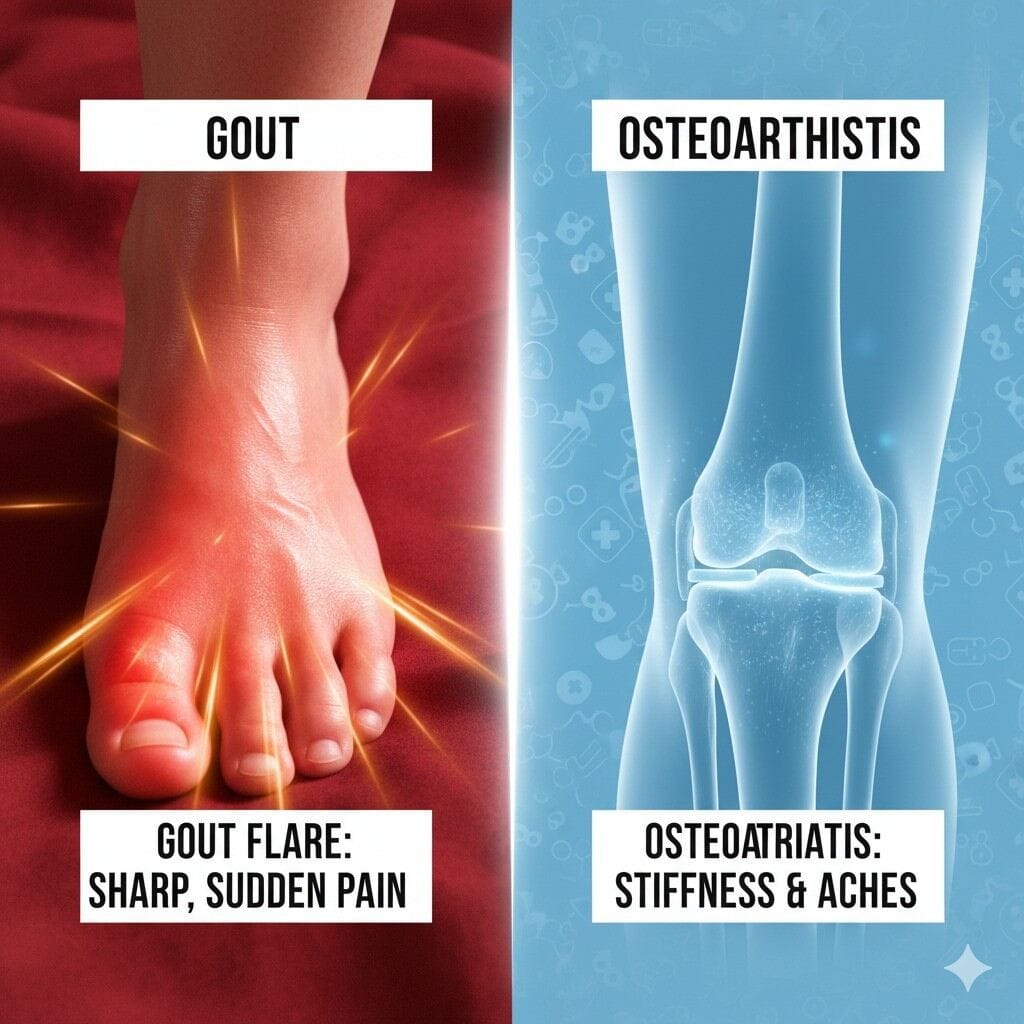
- Gout usually shows up suddenly—often at night.
- Arthritis develops slowly over time.
When comparing arthritis vs gout symptoms, the timing of the pain is often the biggest clue.
This is the core of the gout vs arthritis difference that many people overlook.
What Does Gout Feel Like?
Gout pain is hard to ignore. It tends to come out of nowhere and can feel intense.

- Sudden, sharp pain (often in the big toe)
- Redness and swelling
- Warm or hot joint
- Pain even with light touch
Many people say, “Even a bedsheet touching my foot feels unbearable.”
Here’s something most people don’t realize…
What Does Arthritis Feel Like?
Arthritis is usually more gradual and long—term.
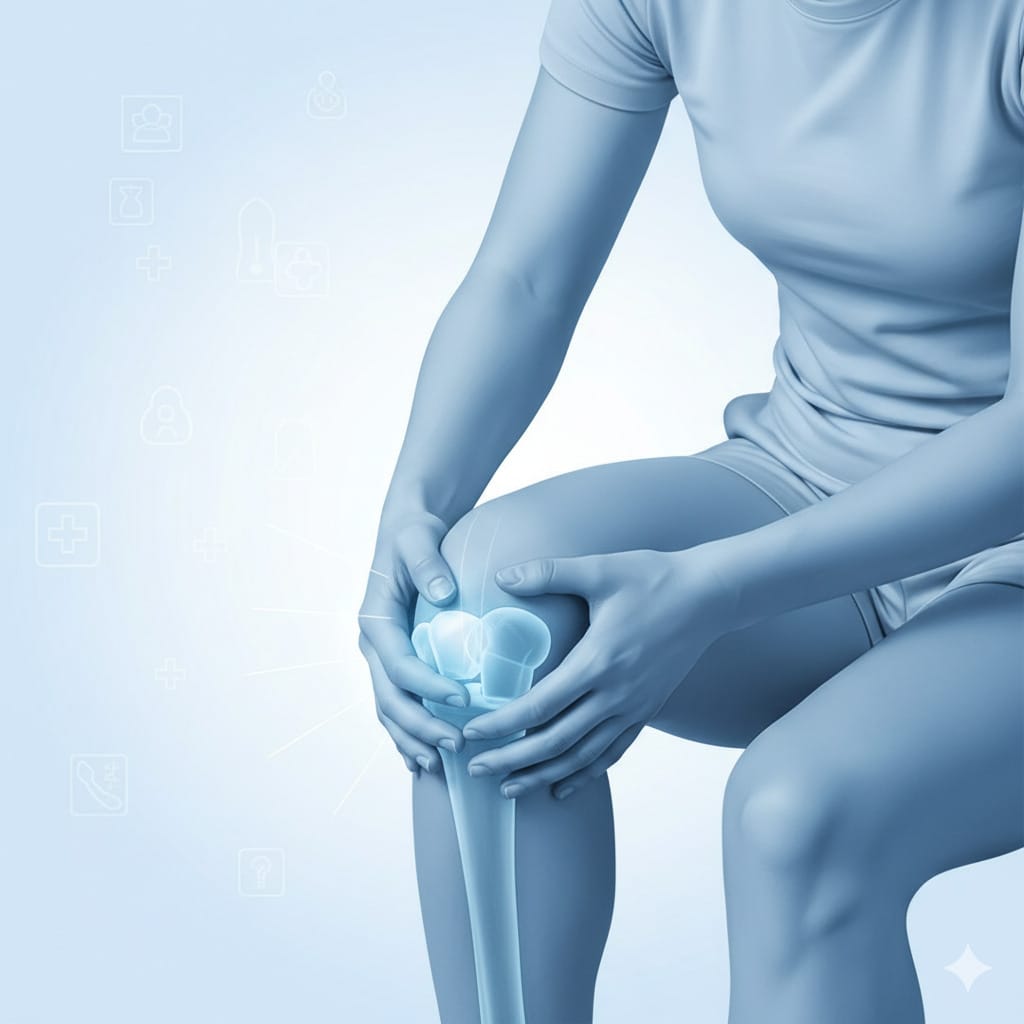
- Pain that builds up slowly
- Morning stiffness
- Reduced flexibility
- Ongoing discomfort
It may not feel severe at first—but over time, it can affect your daily life.
Where People Often Get It Wrong
This is where most people get confused –
- Some people ignore sudden pain thinking it’s arthritis.
- Others keep taking painkillers without knowing the real cause.
Treating the wrong condition can actually make things worse.
What Should You Do?
If you’re unsure, don’t guess.
Treatment costs in the U.S. can vary significantly depending on the condition, which makes early diagnosis even more important.
You can also explore our guide on [natural pain relief methods](https://cityhomeo.com/natural-pain-relief/) for better long-term support.
Because:
- Gout often needs uric acid control
- Arthritis may require long—term care
Many patients look for affordable or alternative options before choosing surgery, especially in the early stages.
Gout Treatment Cost in the USA
Treatment costs can vary depending on severity and care type. Some patients pay a few hundred dollars, while others may spend significantly more depending on insurance coverage and treatment approach in the United States.
In many cases, early diagnosis can help reduce overall treatment costs.
This is why understanding your symptoms early and getting proper guidance can make a real difference.
Common Joint Pain Causes You Should Know
Not all joint pain is gout or arthritis. The most common are arthritis, such as osteoarthritis or rheumatoid arthritis. In addition, pain can also start suddenly due to an injury, such as a torn or sprained ligament.
Excess weight, bone loss with age, or gout due to increased uric acid in the blood are also major causes of this pain. Apart from this, joint pain can also occur due to any infection or rheumatic problem in the body.
Understanding these joint pain causes can help you take the right step early.
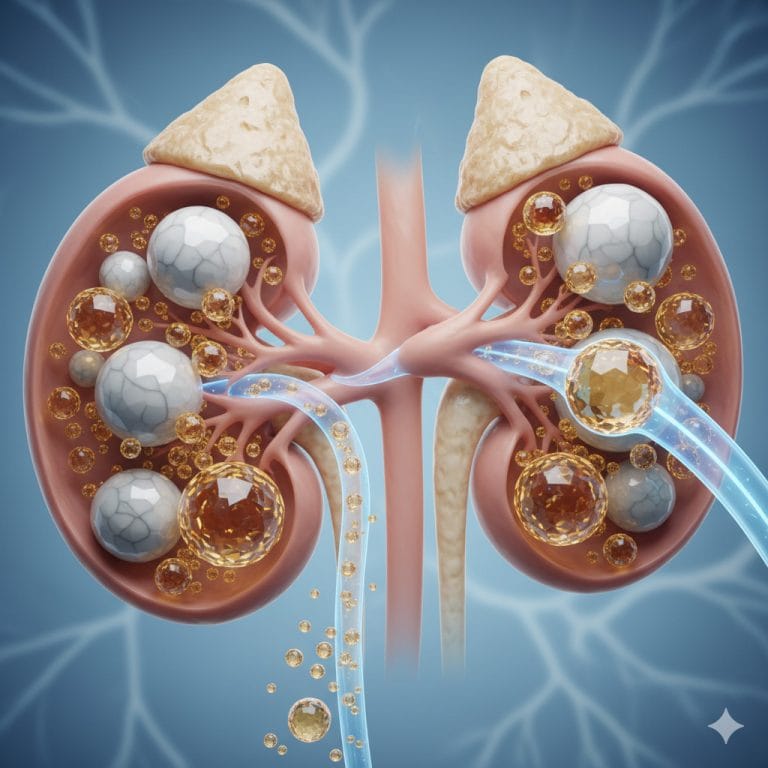
Understanding overall health, including diet and hydration, plays a key role in managing conditions like [kidney stones](https://cityhomeo.com/kidney-stone-treatment/) and joint pain.
Final Thoughts (Real Talk)
Understanding the gout vs arthritis difference early can help you avoid confusion and choose the right path. Not all joint pain is the same—and your body usually gives you clues.
If your pain started suddenly and feels intense, gout could be the reason.
If it developed slowly, arthritis is more likely.
Getting clarity early can make a big difference in how easily you manage it.
Before you ignore your joint pain, make sure you understand what your body is trying to tell you.
Frequently Asked Questions (FAQ)
Here are some common questions people ask about gout vs arthritis:
1. What is the main difference between gout and arthritis?
Gout appears suddenly, while arthritis develops gradually over time.
2. How can I tell if my joint pain is gout or arthritis?
Sudden intense pain suggests gout. Gradual stiffness suggests arthritis.
3. What are the most common gout symptoms vs arthritis symptoms?
Gout causes sudden swelling and sharp pain in one joint. Arthritis causes long—term stiffness and pain.
4. What are common joint pain causes?
There are several common causes of joint pain. The most common are arthritis, such as osteoarthritis or rheumatoid arthritis. In addition, pain can also start suddenly due to an injury, such as a torn or sprained ligament.
Excess weight, bone loss with age, or gout due to increased uric acid in the blood are also major causes of this pain. Apart from this, joint pain can also occur due to any infection or rheumatic problem in the body.
5. Can gout turn into arthritis over time?
Gout is a type of arthritis and can cause long—term joint damage if untreated.
6. What triggers gout attacks?
When uric acid levels in the blood are too high (hyperuricemia), it builds up in the body and slowly forms tiny, needle—like urate crystals in the joints. These crystals cause the intense pain and swelling of gout.
Eating too many foods high in purines, not being able to properly excrete uric acid from the kidneys, being overweight, drinking alcohol, or having a family history of the condition all increase the risk of developing gout.
7. Is arthritis always permanent?
Not always. Many cases can be managed with proper care.
8. What are gout treatment options in the USA?
In the United States, treatment for gout generally relies on three things — reducing pain, lowering uric acid, and making lifestyle changes.
9. Can diet help with joint pain?
Eating the right foods can help reduce joint pain to a great extent. A good diet helps control body weight, which reduces stress on the joints.
In addition, getting the nutrients your body needs can help keep your joints healthy. Eating foods that reduce inflammation in the body can help control pain and swelling.
10. When should I see a doctor?
If the pain is very strong, comes suddenly, or keeps coming back, it’s better to get it checked early.
11. How much does gout treatment cost in the USA?
Costs vary widely depending on treatment type, insurance, and severity of the condition.
Resources.

Dr. Khatun invites you to join her in this journey with City Homeo. Your engagement and encouragement are crucial in advancing this endeavor. Together, we can strive towards a healthier community and a better tomorrow.