
Best Foods to Lower Blood Sugar Naturally: 10 Science-Backed Nutrition Tips (2026)
Introduction
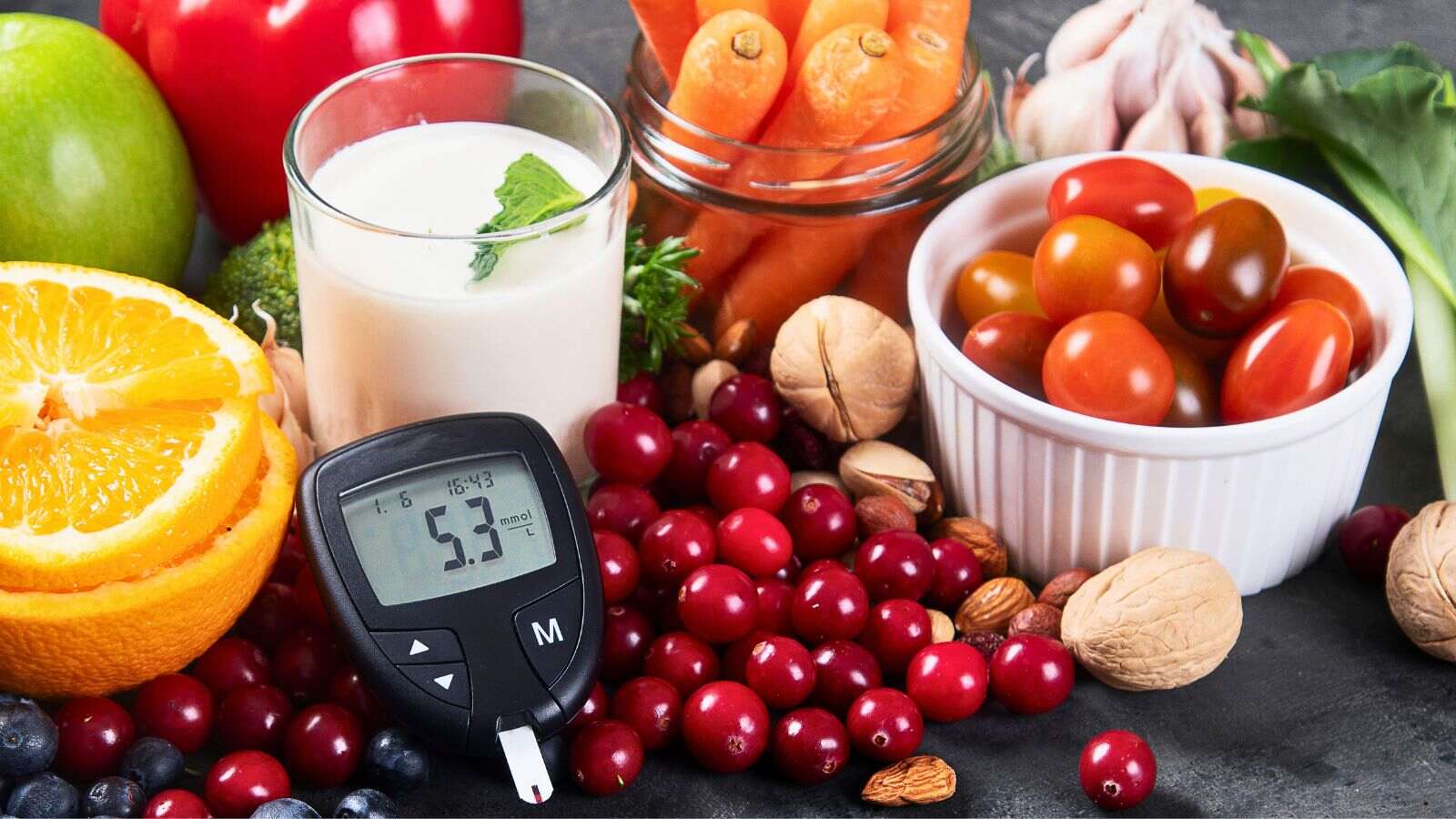
Best Foods to Lower Blood Sugar Naturally can be a simple part of a healthy eating routine. You don’t need to follow a strict diet or search for one “miracle food.” Choosing more fiber-rich vegetables, whole grains, beans, healthy fats, and whole fruits can help you build more balanced meals.
What you eat—and how much you eat—can affect blood sugar levels. Simple changes, such as choosing berries instead of sugary snacks or adding vegetables and protein to your meals, can make healthy eating easier and more enjoyable.
In this guide, we’ll look at 10 nutritious foods that may support healthy blood sugar levels, along with simple ways to include them in your everyday meals.
Note: These foods are not a cure for diabetes and should not replace prescribed treatment or professional medical advice.
Best Foods to Lower Blood Sugar Naturally
Best Foods to Lower Blood Sugar Naturally are becoming increasingly important as more people look for practical, everyday ways to support healthy blood sugar levels through diet. Whether you’re living with diabetes, managing prediabetes, or simply aiming to maintain stable energy throughout the day, the foods you choose can make a meaningful difference.
A balanced nutrition plan doesn’t rely on a single “superfood.” Instead, it combines fiber-rich vegetables, lean proteins, healthy fats, whole grains, and low-glycemic fruits to help support steady glucose levels. These eating patterns may also contribute to better heart health, weight management, and long-term metabolic wellness when paired with regular physical activity and other healthy lifestyle habits.
In this guide, you’ll discover 10 science-backed foods that may help support healthy blood sugar naturally, learn why they work, and find practical tips you can apply to your daily meals. Remember, nutrition supports overall health, but it is not a substitute for professional medical advice, diagnosis, or treatment. If you have diabetes or another medical condition, follow your healthcare provider’s recommendations regarding diet, medications, and blood sugar monitoring.
Why Nutrition Matters for Blood Sugar
Every time you eat, your body converts carbohydrates into glucose, which enters your bloodstream and provides energy for your cells. The hormone insulin helps move this glucose from the blood into the cells where it can be used or stored.
When meals contain large amounts of refined carbohydrates or added sugars, blood sugar levels can rise quickly. Over time, frequent spikes may place extra stress on the body’s ability to regulate glucose.
On the other hand, a balanced eating pattern that includes foods rich in dietary fiber, protein, and healthy fats can help slow digestion and promote a more gradual release of glucose into the bloodstream. This approach often supports more stable energy levels and may help reduce sudden blood sugar fluctuations.
Good nutrition may also help:
- Support healthy insulin function
- Promote a healthy body weight
- Improve satiety and reduce overeating
- Support heart health
- Reduce the risk of nutrition-related chronic diseases
- Encourage long-term healthy eating habits
Rather than focusing on restrictive diets, experts generally recommend building a sustainable eating pattern centered around minimally processed, nutrient-dense foods.
How Food Affects Blood Glucose Levels
The foods you eat have a direct impact on your blood glucose (blood sugar) levels. However, not all carbohydrates affect the body in the same way. Some foods are digested quickly, causing a rapid increase in blood sugar, while others break down more slowly and provide a steady release of glucose into the bloodstream.
Several factors influence how your body responds to food, including:
- The type and amount of carbohydrates
- The amount of dietary fiber
- Protein and healthy fat content
- Portion size
- Individual metabolism and insulin sensitivity
- Physical activity level
Foods rich in refined carbohydrates and added sugars are generally absorbed more quickly, which may lead to sharper increases in blood glucose. In contrast, whole foods that contain fiber, protein, and healthy fats often slow digestion and help support more gradual changes in blood sugar levels.
For example, replacing sugary breakfast cereals with oatmeal topped with nuts and berries may help keep you feeling full longer while supporting more stable blood sugar throughout the morning.
Making small, consistent improvements to your daily diet is often more sustainable than following highly restrictive eating plans. Choosing nutrient-dense foods at most meals can contribute to better overall metabolic health over time.
What Makes a Food Good for Blood Sugar?
When choosing foods to support healthy blood sugar levels, it’s helpful to focus on overall nutritional quality rather than a single nutrient. Many foods associated with better blood sugar management share several important characteristics.
High in Dietary Fiber
Fiber slows the digestion and absorption of carbohydrates, helping glucose enter the bloodstream more gradually. High-fiber foods may also increase feelings of fullness and support digestive health.
Common high-fiber foods include:
- Leafy green vegetables
- Beans and lentils
- Oats
- Chia seeds
- Flaxseeds
- Apples
- Berries
Rich in Protein
Protein can help promote satiety and may reduce the likelihood of overeating. Including a source of lean protein with meals may also help balance overall carbohydrate intake.
Healthy protein sources include:
- Fish
- Skinless poultry
- Eggs
- Greek yogurt (unsweetened)
- Tofu
- Lentils
- Chickpeas
Contains Healthy Fats
Unsaturated fats support heart health and may help slow stomach emptying when eaten as part of a balanced meal.
Examples include:
- Avocados
- Olive oil
- Almonds
- Walnuts
- Pistachios
- Pumpkin seeds
Low Glycemic Index (GI)
Many nutrition experts recommend choosing foods with a lower glycemic index because they tend to produce a slower rise in blood glucose compared with highly refined carbohydrates.
Examples include:
- Steel-cut oats
- Sweet potatoes
- Most non-starchy vegetables
- Beans
- Lentils
- Quinoa
Remember that the overall meal matters more than any single food. Combining carbohydrates with protein, healthy fats, and fiber often has a greater impact on blood sugar than eating carbohydrates alone.
Top 10 Best Foods to Lower Blood Sugar Naturally
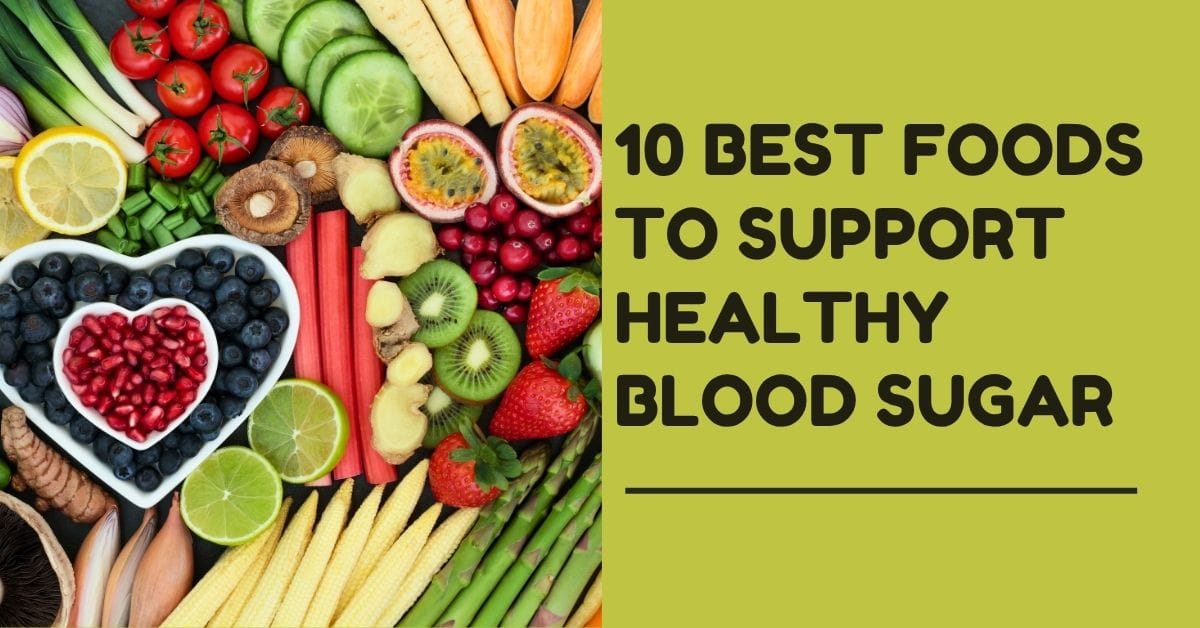
If you’re looking for the Best Foods to Lower Blood Sugar Naturally, focus on whole, nutrient-rich foods rather than one specific “miracle” ingredient.
Below are some of the most nutrient-dense foods that research suggests may support healthy blood sugar levels as part of an overall balanced diet.
1. Leafy Green Vegetables
Leafy greens such as spinach, kale, Swiss chard, and collard greens are among the healthiest foods you can add to your diet. They are naturally low in calories and digestible carbohydrates while providing an impressive amount of vitamins, minerals, antioxidants, and dietary fiber.
These vegetables are particularly rich in magnesium, vitamin C, folate, and plant compounds that help protect cells from oxidative stress. Because they contain very few carbohydrates, leafy greens have only a minimal effect on blood glucose levels when consumed as part of a balanced meal.
Potential Benefits
- Rich in dietary fiber
- Naturally low in carbohydrates
- May support healthy insulin function
- High in antioxidants
- Supports heart and eye health
- Helps increase fullness without adding many calories
Best Ways to Eat
- Add fresh spinach to salads.
- Blend kale into smoothies.
- Sauté Swiss chard with olive oil and garlic.
- Include mixed greens in sandwiches or wraps.
- Add leafy vegetables to soups and omelets.
Pro Tip
Aim to fill half of your lunch and dinner plate with non-starchy vegetables, including leafy greens, to increase fiber intake while keeping meals nutrient-dense.
2. Berries
Berries are among the most nutrient-dense fruits you can include in a blood sugar-friendly eating plan. Blueberries, strawberries, raspberries, and blackberries are naturally rich in dietary fiber, vitamin C, and powerful antioxidants called anthocyanins. These compounds have been studied for their potential role in supporting metabolic health and protecting cells from oxidative stress.
Unlike many processed sweet snacks, berries provide natural sweetness while containing relatively fewer digestible carbohydrates per serving. Their fiber content helps slow carbohydrate absorption, which may contribute to steadier blood glucose levels when eaten as part of a balanced diet.
Potential Benefits
- Rich in antioxidants that support overall health
- Good source of dietary fiber
- Naturally lower in sugar than many other fruits
- May help support healthy insulin sensitivity
- Supports heart health
- Helps satisfy sweet cravings in a nutritious way
Best Ways to Eat
- Add fresh berries to plain Greek yogurt.
- Mix them into oatmeal.
- Blend into a smoothie without added sugar.
- Enjoy as a healthy afternoon snack.
- Sprinkle over whole-grain cereal.
Serving Tip
A serving of about ½ to 1 cup of fresh berries fits well into most balanced meal plans, though individual nutritional needs may vary.
3. Oats
Oats are one of the best whole grains for supporting healthy blood sugar when prepared without added sugar. They contain a special type of soluble fiber called beta-glucan, which slows digestion and promotes a gradual release of glucose into the bloodstream.
Because oats digest more slowly than refined breakfast cereals, they may help improve satiety and reduce mid-morning hunger. Choosing minimally processed oats, such as steel-cut or old-fashioned oats, generally provides more nutritional value than heavily processed instant varieties with added sweeteners.
Potential Benefits
- High in soluble fiber
- Helps promote fullness
- Supports digestive health
- May help maintain healthy cholesterol levels
- Provides long-lasting energy
- Supports balanced blood sugar as part of a healthy diet
Best Ways to Eat
- Cook steel-cut oats with cinnamon.
- Top with berries and chopped walnuts.
- Add chia seeds or flaxseeds.
- Mix with plain Greek yogurt.
- Prepare overnight oats using unsweetened milk.
Choose Wisely
Avoid flavored instant oatmeal packets that often contain added sugars and artificial flavorings. Instead, sweeten plain oats naturally with fruit or a sprinkle of cinnamon.
4. Beans and Lentils
Beans and lentils are excellent sources of plant-based protein, complex carbohydrates, and dietary fiber. Their combination of fiber and protein slows digestion and helps create a more gradual rise in blood glucose compared with many refined carbohydrate foods.
These legumes are also packed with magnesium, potassium, iron, folate, and other essential nutrients that contribute to overall health.
Potential Benefits
- Excellent source of dietary fiber
- Rich in plant protein
- Supports digestive health
- Promotes longer-lasting fullness
- May support healthy blood sugar management
- Budget-friendly and versatile
Best Ways to Eat
- Add black beans to salads.
- Prepare lentil soup.
- Mix chickpeas into vegetable bowls.
- Add kidney beans to homemade chili.
- Make hummus using chickpeas.
Healthy Cooking Tip
Choose dried or low-sodium canned beans whenever possible. If using canned beans, rinse them thoroughly under running water to reduce excess sodium.
5. Nuts
Nuts provide a satisfying combination of healthy fats, protein, fiber, vitamins, and minerals. Almonds, walnuts, pistachios, pecans, and peanuts can all be part of a balanced eating plan when eaten in appropriate portions.
Their healthy fat content slows digestion, while protein and fiber help promote satiety. Because nuts are calorie-dense, portion control remains important.
Potential Benefits
- Rich in heart-healthy unsaturated fats
- Excellent source of plant protein
- High in fiber
- Supports healthy cholesterol levels
- Helps reduce hunger between meals
- Provides important minerals such as magnesium
Best Choices
- Almonds
- Walnuts
- Pistachios
- Pecans
- Hazelnuts
Best Ways to Eat
- Eat a small handful as a snack.
- Sprinkle chopped nuts over oatmeal.
- Add to salads.
- Mix into plain yogurt.
- Use natural nut butter without added sugar.
Portion Tip
A serving of about 1 ounce (28 grams)– roughly a small handful- is generally considered an appropriate portion for most adults.
Expert Nutrition Tip
Instead of concentrating on just one “superfood,” try to construct your meals from a combination of vegetables, lean proteins, whole grains, healthy fats, and fiber sources. It’s a better nutritional strategy for achieving long-term health.
6. Fatty Fish
Fatty fish is an excellent source of high-quality protein and omega-3 fatty acids, nutrients that support heart health and overall metabolic wellness. Unlike many protein sources, fatty fish contains little to no carbohydrates, making it a smart addition to a balanced meal plan for people who want to maintain healthy blood sugar levels.
Research suggests that eating fish regularly as part of a healthy dietary pattern may support cardiovascular health, which is especially important because people with diabetes or prediabetes often have a higher risk of heart disease.
Potential Benefits
- Rich in omega-3 fatty acids (EPA and DHA)
- Excellent source of complete protein
- Contains virtually no carbohydrates
- Supports heart health
- May help reduce inflammation in the body
- Helps promote fullness after meals
Best Choices
- Salmon
- Sardines
- Mackerel
- Trout
- Herring
Best Ways to Eat
- Grill or bake salmon with herbs and lemon.
- Add sardines to whole-grain toast with vegetables.
- Include grilled trout in salads.
- Pair baked fish with roasted vegetables and quinoa.
- Prepare fish tacos using whole-grain tortillas and fresh vegetables.
Healthy Tip
Strive for two servings per week of fatty fish as part of a balanced diet, unless advised otherwise by your doctor.
7. Chia Seeds
Despite their tiny size, chia seeds are packed with nutrients. They provide dietary fiber, plant-based protein, healthy fats, and important minerals such as calcium and magnesium.
One of the biggest advantages of chia seeds is their exceptionally high soluble fiber content. When mixed with liquid, they form a gel-like texture that slows digestion and may help support more gradual glucose absorption.
Potential Benefits
- Extremely rich in dietary fiber
- Good source of omega-3 fatty acids
- Supports digestive health
- Helps increase feelings of fullness
- Provides plant-based protein
- Easy to add to everyday meals
Best Ways to Eat
- Stir into oatmeal.
- Add to smoothies.
- Make chia pudding using unsweetened milk.
- Sprinkle over yogurt.
- Mix into homemade overnight oats.
Serving Suggestion
Consumption of one or two tablespoons per day may serve as an easy method of boosting fiber intake in the framework of a well-balanced diet. Make sure you drink plenty of water while increasing your fiber intake.
8. Cinnamon
Cinnamon is a flavorful spice that can make healthy meals more enjoyable without adding sugar. Some research has explored whether cinnamon may support healthy blood sugar metabolism, but findings remain mixed. While it can be part of a nutritious eating plan, it should not be considered a treatment for diabetes.
Using cinnamon instead of sugar is a simple way to reduce added sugar intake while enhancing flavor.
Potential Benefits
- Adds sweetness without added sugar
- Rich in natural antioxidants
- May support a healthy dietary pattern
- Easy to include in many recipes
- Helps reduce reliance on sugary toppings
Best Ways to Eat
- Sprinkle on oatmeal.
- Add to plain yogurt.
- Blend into smoothies.
- Use in homemade baked oats.
- Mix into herbal tea.
Important Note
Cinnamon may complement a healthy lifestyle, but it should not replace prescribed medications or medical advice for blood sugar management.
9. Avocados
Avocados are rich in heart-healthy monounsaturated fats, fiber, potassium, and several essential vitamins. They contain very little sugar and relatively few digestible carbohydrates, making them a satisfying addition to balanced meals.
Their healthy fat and fiber combination may help increase satiety, making it easier to maintain healthy eating habits.
Potential Benefits
- Rich in healthy monounsaturated fats
- High in dietary fiber
- Naturally low in sugar
- Supports heart health
- Helps promote fullness
- Provides potassium and folate
Best Ways to Eat
- Spread mashed avocado on whole-grain toast.
- Slice into salads.
- Add to sandwiches and wraps.
- Blend into smoothies for a creamy texture.
- Serve alongside grilled chicken or fish.
Portion Tip
Because avocados are calorie-dense, about one-third to one-half of a medium avocado is a reasonable serving for many people.
10. Plain Greek Yogurt
Plain Greek yogurt is a protein-rich dairy food that can fit well into a balanced nutrition plan. Compared with many flavored yogurts, plain Greek yogurt contains less added sugar while providing calcium, probiotics, and high-quality protein.
Choosing unsweetened varieties allows you to control sweetness by adding fresh fruit or cinnamon instead of added sugars.
Potential Benefits
- High in protein
- Contains probiotics that support gut health
- Rich in calcium
- Helps increase satiety
- Versatile for breakfast or snacks
- Lower in added sugar when choosing plain varieties
Best Ways to Eat
- Top with fresh berries.
- Add chia seeds and walnuts.
- Mix with cinnamon.
- Use as a healthy dip for vegetables.
- Blend into smoothies.
Shopping Tip
Read nutrition labels carefully and choose plain, unsweetened Greek yogurt whenever possible. Many flavored varieties contain significant amounts of added sugar.
Foods to Limit or Avoid
While no single food needs to be completely off-limits for everyone, regularly consuming highly processed foods that are high in added sugars and refined carbohydrates may make it more difficult to maintain healthy blood sugar levels.
Consider limiting:
- Sugar-sweetened beverages
- Candy and sweets
- Pastries and doughnuts
- White bread
- Sugary breakfast cereals
- Sweetened yogurt
- Highly processed snack foods
- French fries and other deep-fried foods
- Sweetened coffee drinks
- Large portions of refined pasta and white rice
Instead of eliminating favorite foods entirely, focus on moderation and choose healthier alternatives more often.
Smart Nutrition Tips for Better Blood Sugar
Small daily habits often have a greater long-term impact than drastic diet changes.
Try these practical strategies:
- Fill half your plate with non-starchy vegetables.
- Choose whole grains over refined grains.
- Include a source of lean protein at each meal.
- Snack on nuts or plain yogurt instead of sugary treats.
- Drink plenty of water throughout the day.
- Watch portion sizes.
- Plan meals ahead of time.
- Read nutrition labels to identify added sugars.
- Stay physically active most days of the week.
- Aim for consistent meal times when possible.
These habits can help create a balanced eating pattern that supports overall health and steady energy.
Sample 1-Day Blood Sugar-Friendly Meal Plan
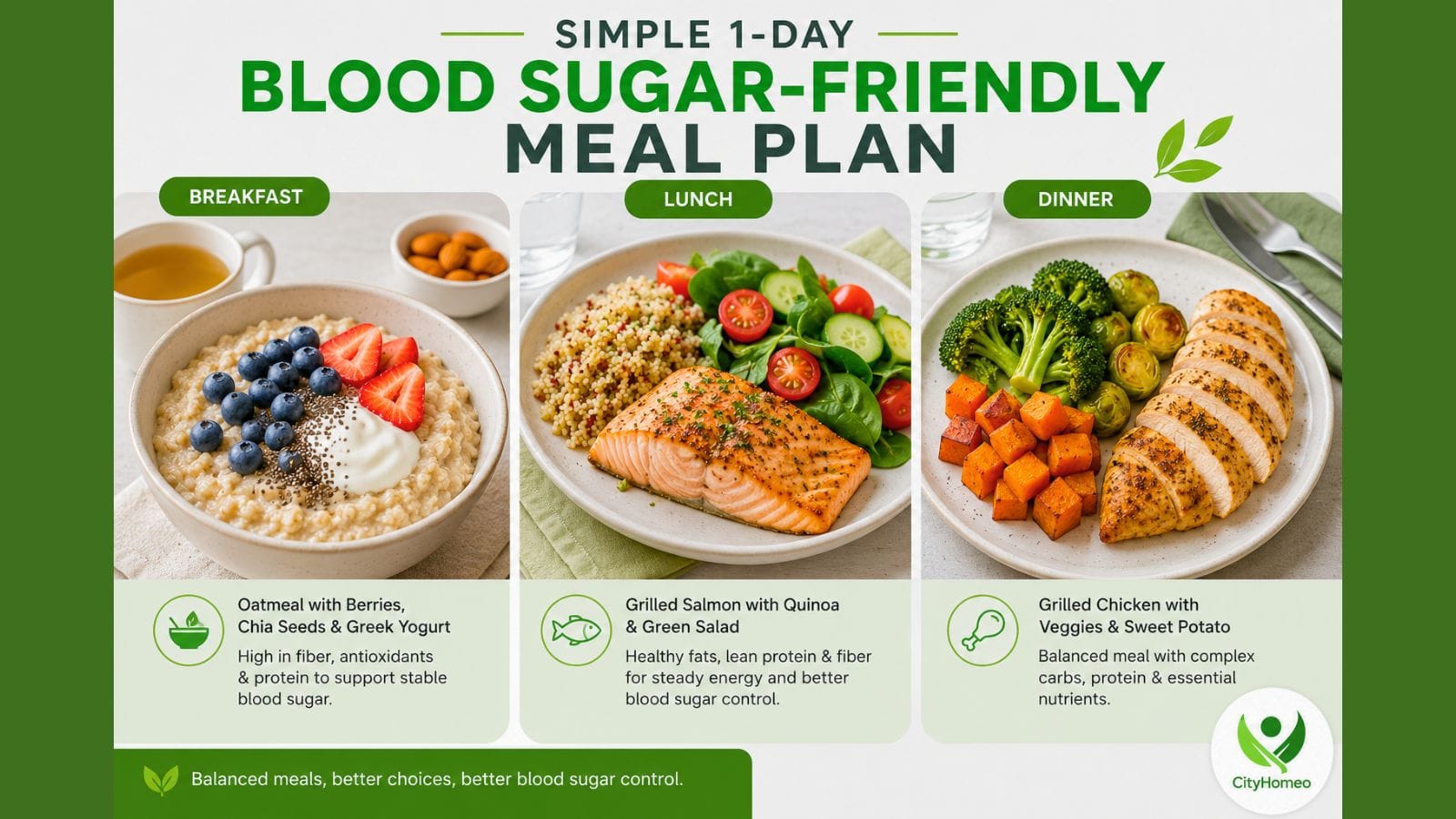
This simple meal plan uses several of the Best Foods to Lower Blood Sugar Naturally to create balanced, satisfying meals.
A healthy meal plan doesn’t have to be complicated. The goal is to include fiber-rich carbohydrates, lean protein, healthy fats, and plenty of vegetables throughout the day.
Breakfast
- Steel-cut oatmeal
- Fresh blueberries
- Chia seeds
- Plain Greek yogurt
- Unsweetened green tea
Why it works:
This breakfast combines soluble fiber, protein, and healthy fats to help promote steady energy throughout the morning.
Mid-Morning Snack
- A small handful of almonds
- One small apple
Lunch
- Grilled salmon
- Quinoa
- Mixed leafy green salad
- Olive oil and lemon dressing
Why it works:
Lean protein, healthy fats, and fiber-rich vegetables create a balanced meal that supports overall metabolic health.
Afternoon Snack
- Plain Greek yogurt
- Fresh strawberries
Dinner
- Grilled chicken breast
- Steamed broccoli
- Roasted Brussels sprouts
- Small baked sweet potato
Evening Snack (Optional)
- Walnuts
- Herbal tea without added sugar
Additional Lifestyle Tips for Healthy Blood Sugar
Nutrition is only one part of maintaining healthy blood sugar levels. Everyday lifestyle habits also play an important role.
Stay Physically Active
Aim for at least 150 minutes of moderate physical activity each week, such as brisk walking, cycling, swimming, or dancing, if appropriate for your health.
Maintain a Healthy Weight
Even modest weight loss can support overall metabolic health for people who are overweight. A balanced eating pattern and regular physical activity work together to support this goal.
Prioritize Sleep
Adults should generally aim for 7–9 hours of quality sleep each night. Poor sleep may affect hormones involved in appetite and blood sugar regulation.
Prioritize Sleep
Adults should generally aim for 7–9 hours of quality sleep each night. Poor sleep may affect hormones involved in appetite and blood sugar regulation.
Stay Hydrated
Drinking enough water supports overall health and may help replace sugar-sweetened beverages with a healthier alternative.
Frequently Asked Questions (FAQ)
What are the best foods to lower blood sugar naturally?
Foods rich in fiber, lean protein, and healthy fats- such as leafy greens, berries, oats, beans, fatty fish, nuts, chia seeds, avocados, and plain Greek yogurt- can be part of a balanced eating pattern that supports healthy blood sugar levels.
Can diet alone control diabetes?
Diet is an important part of diabetes management, but it is not a replacement for prescribed medications or medical care. Follow your healthcare provider’s recommendations for treatment and monitoring.
Which fruit is best for blood sugar?
Berries, apples, pears, and citrus fruits are generally higher in fiber than many other fruits and can fit into a balanced meal plan when eaten in appropriate portions.
Are bananas bad for blood sugar?
Bananas can be included in a healthy diet. Portion size and overall meal composition matter more than avoiding a single fruit.
Is oatmeal good for blood sugar?
Plain steel-cut or old-fashioned oats provide soluble fiber that may help support steadier blood sugar compared with sugary breakfast cereals.
Are eggs good for people with diabetes?
Eggs provide high-quality protein and contain very little carbohydrate. They can be part of a balanced eating pattern for many people.
What foods should I avoid?
Try to limit sugar-sweetened beverages, candies, pastries, refined grains, and highly processed snack foods that are high in added sugars.
How much water should I drink?
Water needs vary depending on age, climate, activity level, and health status. Drinking water regularly throughout the day is generally recommended.
Can I eat rice if I have high blood sugar?
Yes. Portion size matters. Choosing whole grains like brown rice or pairing rice with vegetables and lean protein may help create a more balanced meal.
Should I consult a healthcare professional?
Yes. If you have diabetes, prediabetes, or concerns about your blood sugar, consult your healthcare provider or a registered dietitian for personalized advice.
Final Thoughts
Best Foods to Lower Blood Sugar Naturally can be part of a simple, balanced approach to better nutrition.
Best Foods to Lower Blood Sugar Naturally are most effective when they become part of a long-term healthy lifestyle rather than a short-term diet. Instead of searching for one “miracle food,” focus on building balanced meals with vegetables, whole grains, lean proteins, healthy fats, and fiber-rich foods.
Small, consistent choices- such as eating more whole foods, limiting added sugars, staying physically active, getting enough sleep, and managing stress- can make a meaningful difference in your overall health over time.
Remember that everyone’s nutritional needs are different. If you have diabetes or another medical condition, work with your healthcare provider or a registered dietitian to develop an eating plan that fits your individual needs and health goals.
Medical Disclaimer
This article is for educational and informational purposes only and should not be considered medical advice. It is not intended to diagnose, treat, cure, or prevent any disease. Always consult a qualified healthcare professional before making significant changes to your diet, medications, or lifestyle, especially if you have diabetes or any other medical condition.
You May Also Like
Looking for more evidence-based health information? Explore these related articles:
- Prediabetes Symptoms: Early Warning Signs You Should Never Ignore
- High Blood Sugar Symptoms: Early Warning Signs You Should Never Ignore (2026 Guide)
- What Is the Earliest and Lightest Symptom of Lung Cancer? Early Warning Signs You Should Never Ignore
Trusted Resources
The information in this article is based on guidance from reputable public health and nutrition organizations.
- World Health Organization (WHO)
- Harvard T.H. Chan School of Public Health
- NHS (UK)
- CDC: Centers for Disease Control and Prevention
- National Institute of Diabetes and Digestive and Kidney Diseases (NIDDK),

Dr. Khatun invites you to join her in this journey with City Homeo. Your engagement and encouragement are crucial in advancing this endeavor. Together, we can strive towards a healthier community and a better tomorrow.




Great insights here, appreciate the detailed write-up.
Thanks for your comment! We appreciate you sharing your resource with our readers.