Healthy Diet for Lung Health: Best Foods to Support Stronger Breathing (2026 Guide)
Introduction
Healthy Diet for Lung Health is one of the most effective ways to support your respiratory system naturally. Every breath you take depends on healthy lungs, and the foods you eat each day provide essential nutrients that help maintain normal lung function and overall wellness.
Following a Healthy Diet for Lung Health means choosing nutrient-rich foods such as fruits, vegetables, whole grains, healthy fats, and lean proteins that provide antioxidants, vitamins, and minerals for overall respiratory wellness.
The modern lifestyle causes us to breathe polluted air, dust, various allergens, cigarette smoke, etc. all of which cause an oxidative stress that influences the functioning of our lungs. No one particular food can protect us from diseases, however, a healthy and diverse diet may contribute to the normal functioning of the lungs and their protection from various diseases.
This guide will help you learn about the foods that contribute to the health of your lungs, find out the ways in which your diet can influence your respiratory system positively, and get acquainted with some simple recommendations on how you can include those foods in your diet.
Important: The information below is purely for educational purposes and must not be used as a substitute for professional medical advice. In case you suffer from asthma, COPD, lung fibrosis, pneumonia, or any other respiratory disease, please visit a doctor to receive appropriate medical assistance.
Warning! The information below is purely for educational purposes and must not be used as a substitute for professional medical advice. In case you suffer from asthma, COPD, lung fibrosis, pneumonia, or any other respiratory disease, please visit a doctor to receive appropriate medical assistance.
Why a Healthy Diet for Lung Health Matters
Your lungs continuously supply your body with oxygen and expel carbon dioxide. Since lungs constantly get into contact with the outer world, they can be harmed by air pollution, cigarette smoke, toxins, allergens, and respiratory infections.
While a proper diet will not protect you from all these factors, it will help you obtain nutrients which will ensure proper cellular functioning and boost your body’s natural defense mechanisms.
There is evidence showing that diets that include lots of fruits, vegetables, whole grains, beans, nuts, fish, and healthy fats are linked to respiratory health. These foods are known to contain antioxidants and anti-inflammatory agents.
Your lungs continuously supply your body with oxygen and expel carbon dioxide. Since lungs constantly get into contact with the outer world, they can be harmed by air pollution, cigarette smoke, toxins, allergens, and respiratory infections.
While a proper diet will not protect you from all these factors, it will help you obtain nutrients which will ensure proper cellular functioning and boost your body’s natural defense mechanisms.
There is evidence showing that diets that include lots of fruits, vegetables, whole grains, beans, nuts, fish, and healthy fats are linked to respiratory health. These foods are known to contain antioxidants and anti-inflammatory agents.
How Nutrition Supports Healthy Lungs
The healthy foods may be beneficial for the respiratory system because of:
- Provision of support to the antioxidant defense mechanisms of the body
- Contribution to maintaining balance in the inflammatory response
- Support of the immune system
- Availability of nutrients for the healthy muscles participating in the process of breathing
- Support of healthy blood flow and transport of oxygen to tissues
- Support of metabolic health
Rather than focusing on one “superfood,” experts generally recommend eating a variety of nutrient-dense foods every day.
Understanding Oxidative Stress and Lung Health
Daily exposure of the lungs to oxygen, dust, bacteria, viruses, pollen, smoke and pollution causes production of unstable molecules called free radicals.
In case of an overload of the free radicals, they may cause oxidative stress and, therefore, harm to healthy cells. Antioxidants present in the diet are able to neutralize the free radicals.
That is why the colorful vegetables, fruits, herbs, spices and healthy fats are considered beneficial for the lungs.
Essential Nutrients That Support Healthy Lung Function
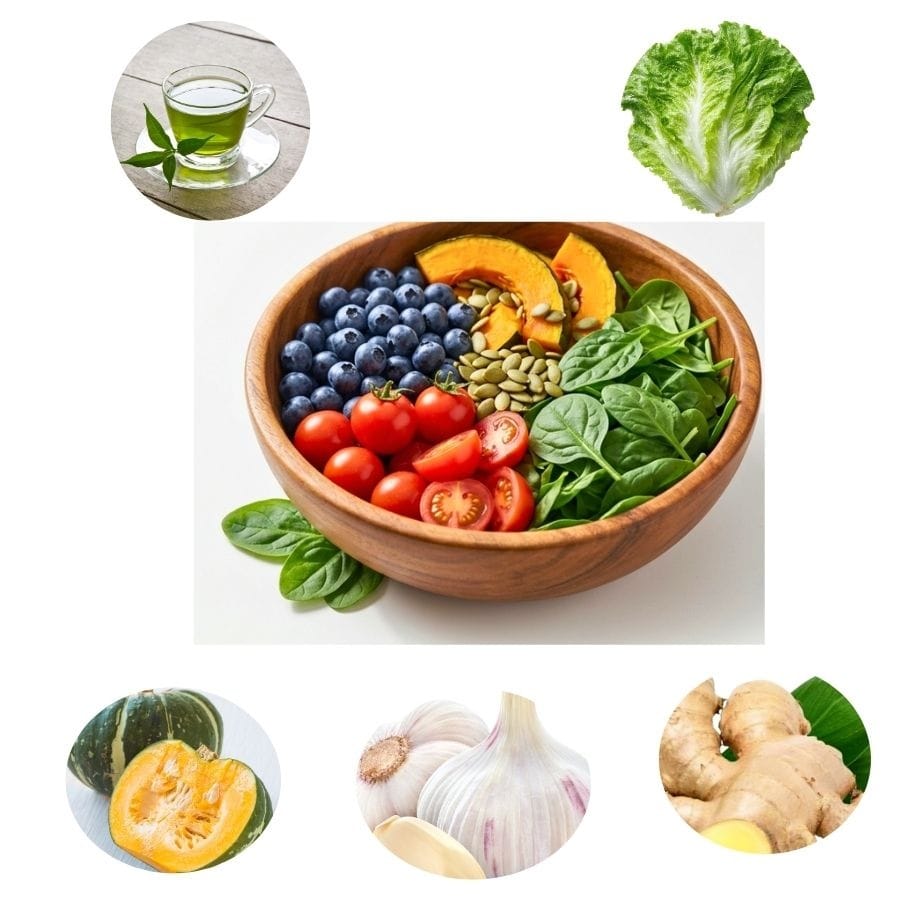
Instead of the search for the miracle food, it would be useful to know about the nutrients responsible for good health of the respiratory system.
Vitamin C
Vitamin C is an antioxidant and protects cells against oxidative stress while also maintaining proper immunity. Fruits like oranges and lemons, strawberries, kiwi, bell peppers, broccoli, and tomatoes contain Vitamin C.
Good Food Sources
- Oranges
- Kiwi
- Strawberries
- Bell peppers
- Broccoli
Vitamin E
Vitamin E acts in concert with other antioxidants to provide protection against oxidative damage to cell membranes. It is present naturally in various types of nuts, seeds, and vegetable oils.
Good Food Sources
- Almonds
- Sunflower seeds
- Hazelnuts
- Avocados
- Wheat germ
Carotenoids
The carotenoids are natural plant pigments that impart the orange, yellow, and dark green colors in many plants. They are antioxidants that may aid in the maintenance of normal lung tissue. The important carotenoids are:
- Beta-carotene
- Alpha-carotene
- Lutein
- Zeaxanthin
Rich Sources
- Carrots
- Pumpkin
- Sweet potatoes
- Spinach
- Kale
Lycopene
Lycopene is one of the most potent antioxidants and is mainly found in tomatoes. Surprisingly, lycopene in cooked tomatoes is more easily absorbed by the body than from fresh tomatoes.
Rich Sources
- Tomato sauce
- Cooked tomatoes
- Tomato soup
- Watermelon
- Pink grapefruit
Omega-3 Fatty Acids
Omega-3 fats not only help support heart health, but they also play an important role in maintaining proper inflammatory balance throughout the body.
Best Sources
- Salmon
- Sardines
- Mackerel
- Herring
- Chia seeds
- Flaxseeds
- Walnuts
Magnesium
Magnesium plays an important role in muscle and nerve function. Since breathing depends on healthy muscles, including the diaphragm, consuming magnesium-rich foods supports normal body function.
Foods High in Magnesium
- Spinach
- Pumpkin seeds
- Black beans
- Almonds
- Cashews
Selenium
Selenium is a trace mineral that supports antioxidant enzymes that help protect cells from oxidative damage.
Natural Sources
- Brazil nuts
- Tuna
- Eggs
- Brown rice
- Whole grains
Plant Polyphenols
Polyphenols are natural compounds found in many fruits, vegetables, herbs, tea, and spices. Researchers continue studying their potential role in supporting healthy aging and reducing oxidative stress.
Foods rich in polyphenols include:
- Green tea
- Blueberries
- Blackberries
- Turmeric
- Cocoa
- Grapes
Fiber
Fiber supports digestive health, helps maintain healthy blood sugar levels, and contributes to overall metabolic wellness. Emerging research also suggests that gut health and lung health may be connected through what scientists call the “gut-lung axis.”
High-Fiber Foods
- Oats
- Lentils
- Chickpeas
- Beans
- Apples
- Pears
- Whole grains
Stay Hydrated
Water doesn’t directly improve lung capacity, but staying hydrated helps keep mucus thinner, making it easier for your body’s normal clearance mechanisms to work efficiently.
Aim to drink enough fluids throughout the day, especially during hot weather or physical activity.
Best Foods for Lung Health
Now that we’ve explored the nutrients that support respiratory wellness, let’s look at the foods that provide them naturally.
In the next section, we’ll cover 12 of the best foods for lung health, explaining what makes each one beneficial, the nutrients it contains, and simple ways to include it in your daily meals.
12 Best Foods for Lung Health

Healthy eating habits involve eating a diverse range of food rather than relying on one particular “superfood.” These are some examples of foods that have plenty of vitamins, minerals, antioxidants, fats, and phytonutrients that might aid in maintaining the health of the lungs.
1. Beets and Beet Greens
Beets are among those vegetables that are greatly ignored when considering wellness. Beets have nitrates in them which are transformed into nitric oxide in the body. Nitric oxide helps to relax the blood vessels and facilitates proper blood flow and oxygen distribution in the body.
Beet greens are also nutrition-packed, offering magnesium, potassium, vitamin C, and antioxidants.
Read more:Online Doctor Consultation in the USA: Benefits, Costs & What to Expect (2026)
Potential Benefits
- Supports healthy blood circulation
- Rich in natural nitrates
- Provides antioxidants that help fight oxidative stress
- Contains magnesium for normal muscle function
Easy Ways to Eat
- Roast beets with olive oil.
- Add sliced beets to salads.
- Blend cooked beets into smoothies.
- Sauté beet greens with garlic.
2. Blueberries and Other Berries
Blueberries, blackberries, raspberries, and strawberries are loaded with anthocyanins, natural pigments responsible for their deep colors. These antioxidants help protect cells from oxidative damage and support overall wellness.
Because berries are also high in vitamin C and fiber, they make an excellent addition to a lung-friendly eating plan.
Potential Benefits
- Rich in antioxidants
- Supports immune health
- Helps reduce oxidative stress
- High in fiber and vitamin C
Easy Ways to Eat
- Mix into oatmeal.
- Add to yogurt.
- Blend into smoothies.
- Enjoy as a healthy snack.
3. Cooked Tomatoes
Tomatoes are among the best dietary sources of lycopene, a powerful antioxidant. Cooking tomatoes increases the amount of lycopene that your body can absorb.
Tomato-based dishes made with olive oil can be a delicious way to include this nutrient in your diet.
Potential Benefits
- Excellent source of lycopene
- Supports antioxidant defenses
- Naturally rich in vitamin C
- Fits well into many healthy meals
Easy Ways to Eat
- Tomato soup
- Homemade pasta sauce
- Roasted tomatoes
- Vegetable stews
4. Fatty Fish
Fatty fish such as salmon, sardines, trout, and mackerel are rich in omega-3 fatty acids, which help support a balanced inflammatory response.
Including fish in your weekly meal plan also provides high-quality protein and vitamin D.
Potential Benefits
- Excellent source of omega-3 fats
- Supports heart and lung wellness
- Provides vitamin D
- Rich in high-quality protein
Recommended Intake
Aim for two servings of fatty fish each week if it fits your dietary preferences and healthcare provider’s advice.
5. Leafy Green Vegetables
Dark leafy greens are nutritional powerhouses. Spinach, kale, Swiss chard, and collard greens supply vitamins A, C, E, K, magnesium, folate, and numerous antioxidants.
Eating a variety of leafy vegetables helps increase your intake of important micronutrients that support overall health.
Potential Benefits
- High in carotenoids
- Rich source of magnesium
- Supports immune health
- Low in calories and nutrient-dense
Easy Ways to Eat
- Fresh salads
- Green smoothies
- Stir-fries
- Vegetable soups
6. Turmeric
Turmeric contains curcumin, a natural compound that has been widely studied for its antioxidant and anti-inflammatory properties.
Curcumin is absorbed more effectively when combined with black pepper and a healthy fat, such as olive oil.
Potential Benefits
- Rich in natural plant compounds
- Supports the body’s antioxidant defenses
- Adds flavor without excess sodium
- Easy to include in daily cooking
Easy Ways to Eat
- Curries
- Vegetable soups
- Golden milk
- Rice dishes
7. Apples
Apples provide fiber, vitamin C, and flavonoids. Most of these beneficial plant compounds are concentrated in the peel, so washing the fruit well and eating it with the skin can maximize nutritional value.
Potential Benefits
- Rich in flavonoids
- Good source of dietary fiber
- Supports digestive health
- Convenient everyday snack
Easy Ways to Eat
- Fresh slices
- Oatmeal topping
- Fruit salads
- Peanut butter snack
8. Brazil Nuts
Brazil nuts are one of the richest natural sources of selenium. Since selenium is required only in small amounts, eating one or two Brazil nuts is often enough for many adults.
Avoid eating excessive amounts because too much selenium may have unwanted effects.
Potential Benefits
- Supports antioxidant enzymes
- Excellent selenium source
- Easy healthy snack
- Provides healthy fats
9. Green Tea
Green tea contains catechins, including EGCG (epigallocatechin gallate), a natural antioxidant that has been widely researched for its health-supporting properties.
Replacing sugar-sweetened beverages with unsweetened green tea may also help reduce added sugar intake.
Potential Benefits
- Rich in polyphenols
- Supports antioxidant activity
- Low-calorie beverage
- Helps maintain hydration
Serving Suggestion
Enjoy one to three cups daily if tolerated and recommended by your healthcare provider.
10. Pumpkin
Pumpkin is naturally rich in beta-carotene, vitamin C, potassium, and fiber. Its bright orange color indicates a high concentration of protective plant pigments.
Potential Benefits
- Excellent source of carotenoids
- High in fiber
- Supports immune health
- Low in calories
Healthy Serving Ideas
- Roasted pumpkin
- Pumpkin soup
- Mashed pumpkin
- Add to whole-grain dishes
11. Garlic and Ginger
Garlic and ginger have been used in traditional cooking around the world for centuries. They contain natural sulfur compounds and plant chemicals that contribute to their distinctive flavor and nutritional value.
Including them regularly can help increase the overall antioxidant content of your meals.
Potential Benefits
- Adds flavor naturally
- Rich in plant compounds
- Supports a healthy eating pattern
- Works well in many recipes
Easy Ways to Eat
- Stir-fries
- Soups
- Marinades
- Herbal teas with fresh ginger
12. Whole Grains and Legumes
Whole grains and legumes are often overlooked when discussing lung health, yet they play an important role in supporting overall wellness.
Foods such as oats, brown rice, quinoa, barley, lentils, black beans, kidney beans, and chickpeas provide fiber, B vitamins, plant protein, and minerals that help maintain a healthy digestive system and stable energy levels.
Researchers continue to explore the connection between gut health and respiratory health, making fiber-rich foods an important part of a balanced diet.
Potential Benefits
- Rich in dietary fiber
- Supports digestive health
- Helps maintain healthy blood sugar levels
- Provides long-lasting energy
- Excellent source of plant protein
Easy Ways to Eat
- Oatmeal for breakfast
- Lentil soup
- Brown rice instead of white rice
- Quinoa salads
- Chickpea bowls
Quick Shopping List for a Lung-Friendly Kitchen
To make healthy eating easier, keep these foods on hand:
Fruits
- Apples
- Blueberries
- Strawberries
- Oranges
- Kiwi
Vegetables
- Spinach
- Kale
- Swiss chard
- Tomatoes
- Beets
- Pumpkin
- Garlic
- Ginger
Healthy Proteins
- Salmon
- Sardines
- Mackerel
- Lentils
- Chickpeas
- Black beans
Healthy Fats
- Walnuts
- Almonds
- Brazil nuts
- Chia seeds
- Flaxseeds
- Extra virgin olive oil
Healthy Drinks
- Green tea
- Water
- Herbal tea
Key Takeaway
There is no one food that will ensure healthy lungs. But consuming colorful varieties of fruits and vegetables, grains, beans, fish, healthy fats, nuts, and foods rich in antioxidants on a regular basis will aid in building up the body’s defenses against diseases.
Gradual changes in the diet will usually be more effective than following current fads in nutrition.
Foods to Limit for Better Lung Health
While no single food directly damages healthy lungs, regularly eating highly processed foods may contribute to poor overall health and increase inflammation in the body. Choosing whole, minimally processed foods more often can support long-term respiratory wellness.
1. Processed Meats
Foods such as bacon, sausages, hot dogs, and deli meats are often high in sodium, preservatives, and saturated fat. Eating these occasionally is fine for many people, but limiting frequent consumption is generally recommended as part of a healthy eating pattern.
2. Deep-Fried Foods
Deep-fried foods tend to be high in unhealthy fats and calories. Replacing fried meals with baked, grilled, steamed, or roasted options can support both heart and lung health.
3. Sugary Foods and Drinks
Soft drinks, candies, pastries, and other foods with added sugar provide calories with little nutritional value. Choosing water, fruit, or unsweetened beverages instead is a healthier option.
4. Excess Sodium
A diet high in sodium may contribute to fluid retention in some people. Preparing meals at home with herbs and spices instead of excess salt is a simple way to reduce sodium intake.
5. Excess Alcohol
Heavy alcohol consumption may weaken the immune system and negatively affect overall health. If you drink alcohol, follow your healthcare provider’s advice and local health recommendations.
One-Day Healthy Diet Plan for Lung Health

This sample meal plan demonstrates how to include a variety of lung-supportive foods throughout the day.
Breakfast
- Oatmeal topped with blueberries and chopped walnuts
- One boiled egg
- A cup of unsweetened green tea
Morning Snack
- One apple
- A small handful of pumpkin seeds
Lunch
- Grilled salmon
- Mixed green salad with spinach, tomatoes, cucumbers, and roasted beets
- Quinoa or brown rice
- Olive oil and lemon dressing
Afternoon Snack
- Plain Greek yogurt with fresh berries
- A few almonds
Dinner
- Stir-fried vegetables including broccoli, Swiss chard, garlic, and carrots
- Grilled chicken breast or baked tofu
- Brown rice or barley
Evening
- Herbal tea or warm water with fresh ginger
- Stay hydrated by drinking water consistently throughout the day.
Healthy Lifestyle Habits That Support Your Lungs

Nutrition works best when combined with other healthy lifestyle choices.
Stay Physically Active
Aim for at least 150 minutes of moderate physical activity each week. Walking, cycling, swimming, and light strength training can all support overall fitness.
Avoid Smoking
Smoking remains one of the biggest risk factors for lung disease. If you smoke, talk with a healthcare professional about evidence-based quitting strategies.
Read more:Homeopathic Medicine for Cold and Cough: Best Remedies, Benefits & Safety (2026)
Reduce Exposure to Air Pollution
Whenever possible:
- Check local air quality.
- Avoid outdoor exercise during heavy pollution.
- Improve indoor ventilation.
- Consider using an air purifier if appropriate.
Drink Enough Water
Proper hydration supports your body’s normal mucus-clearing processes and overall health.
Maintain a Healthy Weight
A healthy body weight may reduce extra pressure on the chest and diaphragm, making everyday movement and breathing more comfortable.
Prioritize Quality Sleep
Adults should generally aim for 7–9 hours of sleep each night. Good sleep supports immune function and overall recovery.
Manage Stress
Chronic stress can affect many body systems. Meditation, yoga, deep breathing exercises, and spending time outdoors may help improve overall well-being.
Who May Benefit from a Lung-Friendly Diet?
Although everyone can benefit from balanced nutrition, these groups may find it especially valuable:
- Adults who want to support long-term respiratory wellness
- People living in areas with higher air pollution
- Current or former smokers (alongside medical care)
- Older adults
- Individuals exposed to dust or workplace pollutants
- People interested in improving overall healthy lifestyle habits
A lung-friendly diet should complement-not replace-medical treatment prescribed by your healthcare provider.
Frequently Asked Questions (FAQs)
1. What is the best diet for lung health?
A balanced diet rich in fruits, vegetables, whole grains, legumes, nuts, seeds, healthy fats, and fish provides nutrients that support overall respiratory health.
2. Which fruits are good for healthy lungs?
Blueberries, apples, oranges, kiwi, strawberries, and tomatoes (technically a fruit) are excellent choices because they contain antioxidants and vitamin C.
3. Are eggs good for lung health?
Eggs provide high-quality protein and several important vitamins and minerals. They can be part of a balanced diet unless your healthcare provider recommends otherwise.
4. Does drinking water help the lungs?
Water helps maintain normal hydration and supports the body’s natural mucus-clearing mechanisms, although it does not directly increase lung capacity.
5. Is green tea good for respiratory health?
Green tea contains natural antioxidants called catechins. It can be a healthy beverage choice as part of an overall balanced diet.
6. Can diet improve breathing?
A healthy diet supports overall health and may contribute to better respiratory wellness. However, people with breathing difficulties should seek medical evaluation.
7. What foods should I avoid for better lung health?
Try to limit highly processed foods, excessive added sugar, deep-fried foods, and foods high in sodium while choosing more whole, nutrient-rich foods.
8. Are omega-3 fatty acids important for lung health?
Omega-3 fats support a healthy inflammatory response and are found in fatty fish, flaxseeds, chia seeds, and walnuts.
Final Thoughts
A Healthy Diet for Lung Health is not about eating one perfect food. It is about building consistent, balanced eating habits that support your lungs and your overall health over time.
Your daily food choices can play an important role in supporting overall lung health. A balanced diet that includes colorful fruits, vegetables, whole grains, healthy fats, and lean proteins provides nutrients that help maintain normal respiratory function and overall wellness.
Remember, no single food can prevent or cure lung disease. The greatest benefits come from combining healthy eating with regular physical activity, adequate sleep, staying hydrated, avoiding smoking, and following medical advice when needed.
Start with small, sustainable changes, such as adding more antioxidant-rich foods to your meals, and build healthy habits over time. Every positive choice you make today is an investment in your long-term health and well-being.
You May Also Like
Looking for more evidence-based health information? Explore these related articles:
- Prediabetes Symptoms: Early Warning Signs You Should Never Ignore
- High Blood Sugar Symptoms: Early Warning Signs You Should Never Ignore (2026 Guide)
- What Is the Earliest and Lightest Symptom of Lung Cancer? Early Warning Signs You Should Never Ignore
Trusted Resources
The information in this article is based on guidance from reputable public health and nutrition organizations.
- Centers for Disease Control and Prevention (CDC)
- National Institutes of Health (NIH)
- American Lung Association
- World Health Organization (WHO)
Medical Disclaimer
This article is intended for educational purposes only and should not be considered medical advice, diagnosis, or treatment. Always consult a qualified healthcare professional before making significant dietary or lifestyle changes, especially if you have an existing lung condition.

Dr. Khatun invites you to join her in this journey with City Homeo. Your engagement and encouragement are crucial in advancing this endeavor. Together, we can strive towards a healthier community and a better tomorrow.