What Is the Earliest and Lightest Symptom of Lung Cancer? Early Warning Signs You Should Never Ignore
Quick Answer: The earliest and lightest symptom of lung cancer is usually a persistent cough that lasts for several weeks or gradually becomes worse. Some people may also notice mild shortness of breath, unusual fatigue, or a hoarse voice. Although these symptoms can have many causes, they should not be ignored if they persist or worsen.
What Is the Earliest and Lightest Symptom of Lung Cancer?
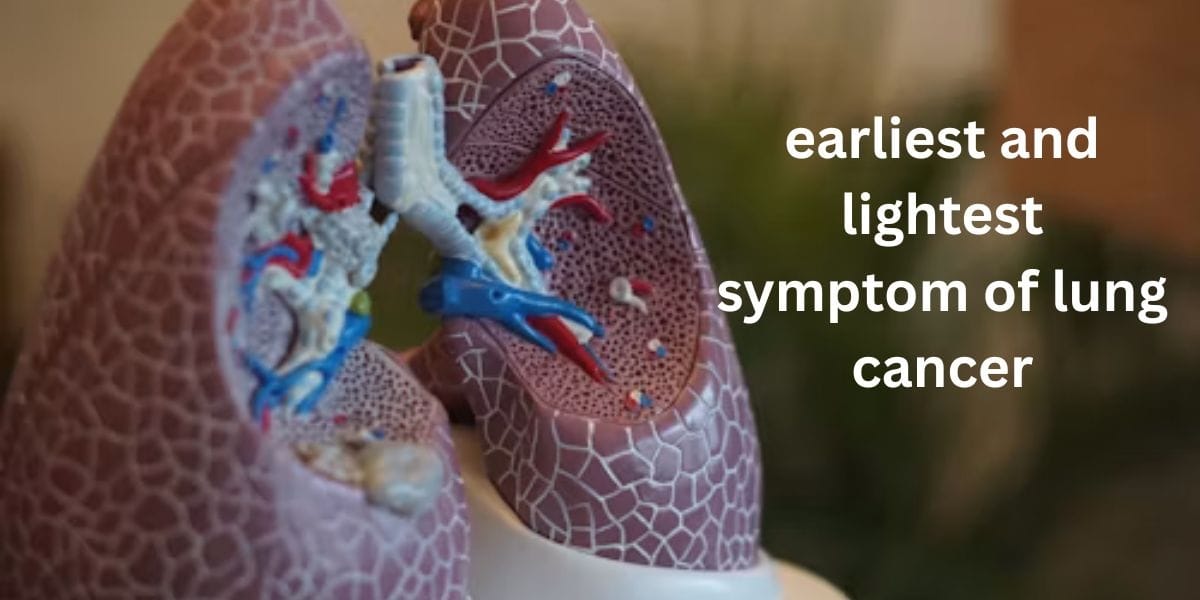
Many people think that if they have lung cancer, it will have serious symptoms from the get go. In fact, early symptoms may be very subtle and easy to overlook. Some people feel normal, others see minor changes that don’t bother them.
Lung cancer’s mildest and first symptom is a cough that doesn’t disappear or gradually worsens over time. Other mild symptoms include mild shortness of breath, strange fatigue, or a change in voice, chest discomfort.
These symptoms are common to other illnesses, so individuals tend to put off going to a doctor.
When lung cancer is diagnosed early, doctors have increased treatment options, and increasingly better results.
This article describes the initial signs and symptoms, typical risk factors, the diagnosis of lung cancer and why it is important to get medical advice.
What is Lung Cancer?
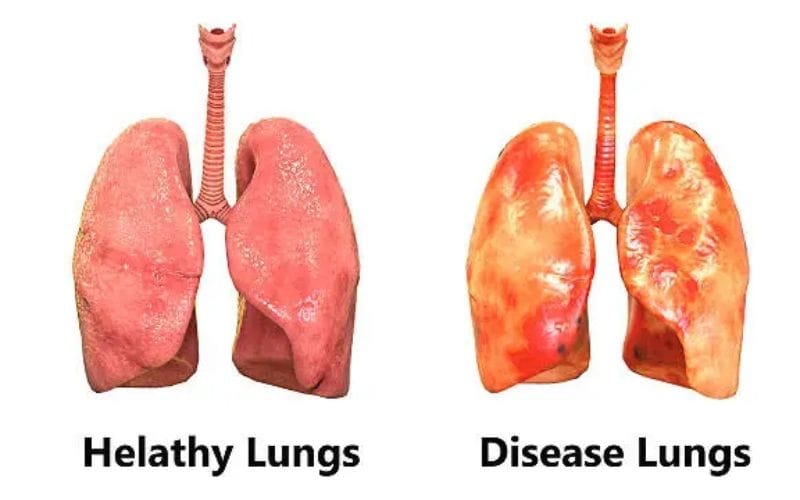
Lung cancer occurs when cancer cells in the lungs grow out of control. These cells do not stop growing, and can lead to the development of a tumor. The infection can invade adjacent tissues or spread to other parts of the body if it is not treated, depending on the time lapse.
Not everyone will have symptoms in the initial stages. Indeed, many early cases are discovered during regular health check-ups or imaging for another reason.
While smoking is the primary risk factor, smoking is not the only risk factor and people who do not smoke can develop lung cancer. An inherited risk of lung cancer, exposure to secondhand smoke, air pollution, and other toxic substances in the workplace can also raise the risk.
Read more: Cancer related homeopathic treatments
What makes early signs and symptoms so hard to see?
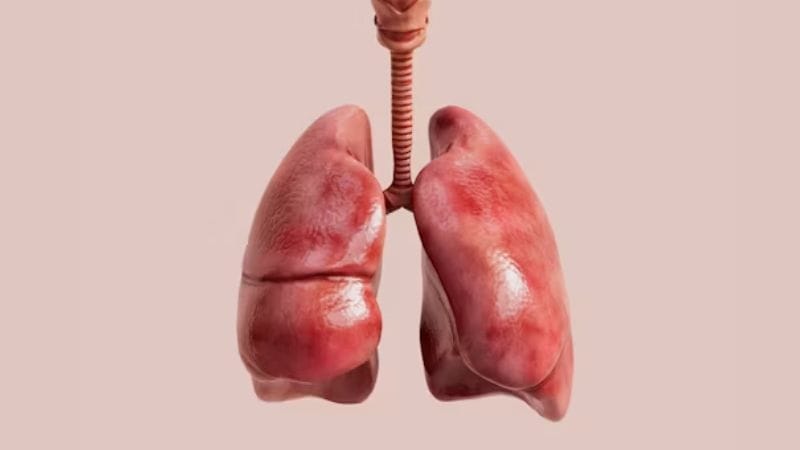
In early lung cancer the tumor is typically confined to a small area of the lung. Few nerves in the lungs are sensitive to pain, so small tumors may not be very uncomfortable.
The early signs are the same as those of common health conditions like:
- A seasonal cold
- Allergies
- AsthmaMild bronchitis
- A long-lasting cough caused by a virus.
This makes people believe that symptoms will go away by themselves. Unfortunately there can be a progression of the disease, if medical evaluation is delayed.
Read more:Homeopathy Treatment for Hormonal Imbalance | Signs, Symptoms & Wellness Guide
What’s the first and lightest sign of lung cancer?
The most frequent initial symptom is a cough that lasts longer than anticipated.
This cough is different from one that occurs as a result of a cold, and may go on:
- Can last for three weeks or more
- Becomes slower and occurs more often.
- Does not respond to normal home care.
- May sound different from your normal cough
- May cause disruptions in sleep and daily life
Others can only see a slight change initially. Some people just might think that their normal smoker’s cough has worsened.
Having a cough is not a sign of lung cancer. There are many other illnesses that can lead to a cough that lasts a long time. If the cough does not go away for some reason, however, it is better to seek medical advice rather than ignore the cough.
The following is a list of some other mild symptoms that should not be ignored.
In addition to their persistent cough, there are other early symptoms.
A slight shortness of breath.Some mild breathlessness.
Even short walking or climbing stairs may make you get a little short of breath, although you used to be able to do them.
Unusual Fatigue
If you are feeling fatigued for a few days after a bad night’s sleep, that is a normal occurrence. But when a person is feeling tired and weak but isn’t due to any specific cause, it should be taken seriously, particularly if it happens with other signs.
Hoarseness
Others find that their voice sounds rough or hoarse for a couple of weeks. This may occur if a tumour presses on nearby nerves.
Mild Chest Discomfort
Typically, early lung cancer does not cause pain. Some people say that they experience pressure, tightness, or slight discomfort in the chest instead.
Wheezing
If a section of the airway narrows, a whistling sound can result when breathing.
Frequent Chest Infections
It is important to not overlook repeated episodes of bronchitis or pneumonia in a short span of time, especially for adults who have other risk factors.
While these symptoms may occur in many other types of lung disease, if they persist or slowly get worse, the doctor should do a checkup.
The symptoms of Stage 1 Lung Cancer may include:
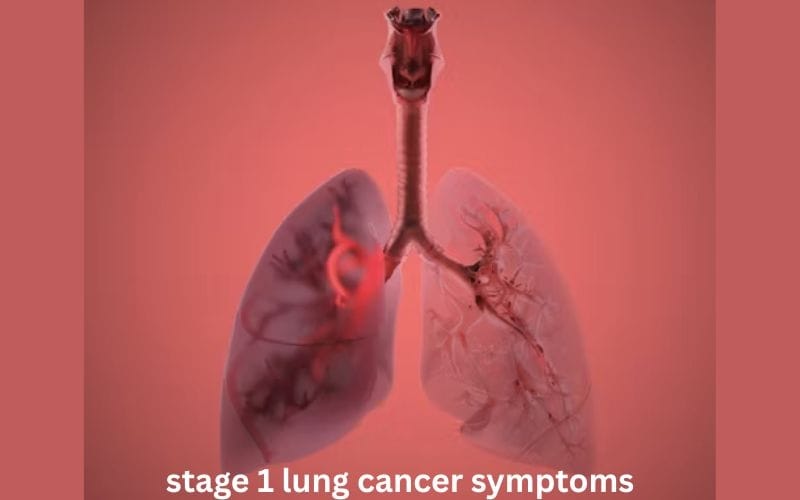
Stage 1 lung cancer occurs at the earliest stage of cancer. Typically, the cancer is at this time small and local, not having spread to neighbouring lymph nodes or other areas of the body. For this reason, many people don’t have any symptoms.
If symptoms do occur, they may be subtle and go unnoticed. Symptoms typical of Stage 1 are:
- If a cough is ongoing for several weeks.
- Sometimes feeling short of breath when performing normal activities
- Some slight pain or squeezing in the chest area
- Extreme fatigue for unknown reasons
- A loss of voice, a hoarseness or change in your voice
- Occasional wheezing
These symptoms may also stem from less serious issues but if symptoms persist or gradually get worse, it is important that a healthcare professional is consulted.
If you are a woman, you must be aware of the early signs and symptoms associated with Lung Cancer.
The signs and symptoms of lung cancer are alike in both males and females. But sometimes women can misinterpret them as stress, seasonal sickness or fatigue from a hectic life.
Symptoms that may develop in women include:
- A cough that does not go away
- Being tired more frequently than normal
- Slight shortness of breath
- Chest discomfort
- Hoarseness
- Frequent respiratory infections
Lung cancer can also happen to a woman who has never smoked. These symptoms if persisted for many weeks, should not be ignored.
Early Lung Cancer Symptoms In Men.
Men may think of a chronic cough as a normal aspect of smoking or aging and not seek medical attention.Early symptoms in men may include:
- A cough that doesn’t go away or gets worse over time.
- Mild breathing difficulty
- Wheezing
- Chest discomfort
- Fatigue
This is an abnormal cough that a smoker would not have.
It is advisable to talk to a doctor if a long-term cough suddenly increases in frequency, sound and/or severity.
Can people who don’t smoke develop lung cancer?
Yes. While smoking is the most important risk factor, there are people who never smoked who can develop lung cancer.
Possible causes include:
- Exposure to secondhand smoke over an extended period of time
- Air pollution
- Radon gas exposure
- Certain workplace chemicals
- Family history of lung cancer:
- family member having had lung cancer previously.
- Chest prior radiation therapy.
Early signs can be overlooked for longer than they should be as many non-smokers think they are not at risk.
When to see a doctor?
But, when you have a cough that just won’t go away, it’s not always lung cancer.
If you have any of the following, you should get medical advice:
- If a cough persists for 3+ weeks.If a cough has been going on for over 3 weeks.
- This is a cough that worsens over time.
- Shortness of breath for no apparent reason
- If chest pain does not get better.
- Repeated chest infections
- Unexplained weight loss
- A voice that is hoarse for several weeks.
- Coughing up blood, no matter how little
Regardless, early medical evaluation may help determine cause of these symptoms and treatment can be started early if needed.
Who’s at highest risk for lung cancer?
Anyone can develop lung cancer, but certain factors increase the risk.
These include:
- A person who has smoked in the past or is currently smoking.
- Secondhand smoke: being exposed to gases released from tobacco smoke into the air.
- The build-up of radon gas in homes or buildings.
- Exposure to asbestos or other toxic substances in the workplace for a lengthy period of time.
- Having a family history of lung cancer is a risk factor.
- Increasing age
- Exposure to air pollution over long periods of time.
If someone has 1 or more risk factors, it does not mean they have a definite risk of getting lung cancer. But, knowing about these risks can help prompt early medical evaluation if symptoms occur.
Early symptoms vs advanced symptoms
| More Advanced Symptoms | ||
| Persistent cough | Coughing up blood | ||
| Mild shortness of breath | Severe breathing difficulty | ||
| Hoarseness | Ongoing chest pain | ||
| Mild chest discomfort | Significant weight loss | ||
| Fatigue | Bone pain or persistent body pain | ||
| Occasional wheezing | Swelling in the face or neck |
Early recognition of symptoms increases the likelihood that people will be tested and treated promptly, if necessary.
How Is Lung Cancer Diagnosed?
If a doctor suspects lung cancer based on your symptoms, medical history, or physical examination, several tests may be recommended. The goal is to find the cause of your symptoms and determine whether cancer is present.
Physical Examination and Medical History
The doctor will ask about:
- How long your symptoms have lasted
- Your smoking history, if any
- Exposure to secondhand smoke or harmful chemicals
- Family history of lung cancer
- Previous lung diseases
A physical examination helps identify signs that may require further testing.
Chest X-Ray
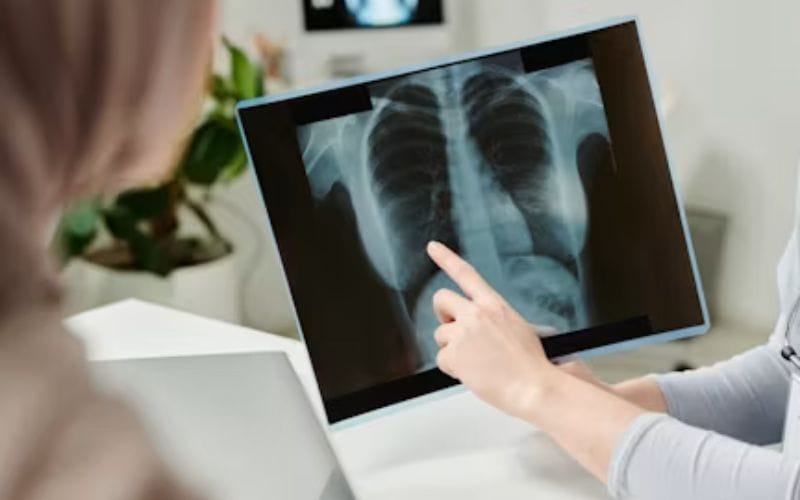
A chest X-ray is often one of the first imaging tests used when someone has a long-lasting cough or other lung-related symptoms.
It can detect some lung abnormalities, but very small tumors may not appear clearly. A normal chest X-ray does not always rule out lung cancer.
Low-Dose CT Scan
A Low-Dose CT (LDCT) scan provides much more detailed images than a standard chest X-ray.
It is one of the most effective tools for finding lung cancer at an early stage, especially in people who are at high risk because of age and smoking history.
Early detection through appropriate screening may increase the chances of successful treatment.
PET Scan
If lung cancer is suspected, a PET scan may be used to check whether the disease has spread beyond the lungs.
This scan helps doctors decide the most appropriate treatment plan.
Bronchoscopy
A bronchoscopy allows a doctor to look inside the airways using a thin, flexible tube with a small camera.
If an unusual area is found, a tissue sample may be collected for further testing.
Biopsy
A biopsy is the only way to confirm whether abnormal cells are cancerous.
During this procedure, a small sample of tissue is removed and examined under a microscope by a laboratory specialist.
Although the word “biopsy” may sound frightening, it is a common and important step in making an accurate diagnosis.
Treatment Options for Lung Cancer
Treatment depends on several factors, including:
- The type of lung cancer
- The stage of the disease
- The person’s overall health
- Whether the cancer has spread
Doctors often create a treatment plan that is tailored to each individual.
Surgery
If the cancer is found early and has not spread, surgery may be recommended to remove the tumor.
For many people with Stage 1 lung cancer, surgery offers the best chance of long-term disease control.
Radiation Therapy
Radiation therapy uses high-energy rays to destroy cancer cells.
It may be used instead of surgery or together with other treatments, depending on the situation.
Chemotherapy
Chemotherapy uses medicines to destroy cancer cells throughout the body.
It may be recommended before surgery, after surgery, or when cancer has spread.
Targeted Therapy
Some lung cancers have specific genetic changes that can be treated with targeted medicines.
Before recommending this treatment, doctors may perform special laboratory tests on the tumor.
Immunotherapy
Immunotherapy helps the body’s immune system recognize and fight cancer cells more effectively.
It has become an important treatment option for many people with advanced lung cancer, although it is not suitable for everyone.
Can Lung Cancer Be Prevented?
Not every case of lung cancer can be prevented, but healthy habits can lower the risk.
You can reduce your risk by:
- Avoiding smoking
- Staying away from secondhand smoke
- Testing your home for radon where appropriate
- Wearing protective equipment if you work around harmful dust or chemicals
- Exercising regularly
- Eating a balanced diet rich in fruits and vegetables
- Following recommended screening if you are at high risk
These steps cannot guarantee prevention, but they support better lung health and may reduce the risk of several lung diseases.
Tips for Keeping Your Lungs Healthy
Healthy lungs support your overall well-being. Simple daily habits can make a difference over time.
Some practical tips include:
- Stay physically active.
- Drink enough water each day.
- Avoid smoking and vaping.
- Limit exposure to polluted air whenever possible.
- Keep vaccinations up to date if recommended by your healthcare provider.
- Seek medical advice if a cough or breathing problem does not improve.
Small lifestyle changes today may help protect your lung health in the future.
Frequently Asked Questions (FAQs)
1. What is the earliest and lightest symptom of lung cancer?
One of the first and least serious signs of lung cancer is a cough that cannot be cured and lasts for a few weeks or slowly gets worse. Very mild shortness of breath, unusual tiredness or a hoarse voice may also be noticed by some.
2. Is a cough the first sign of lung cancer?
Yes. Mild cough is the first symptom noticed in some individuals. But, for most chronic coughs the cause is not lung cancer.
3. Is it possible to be a lung cancer patient not having symptoms?
Yes. Lung cancer in its early stages may not have any signs or symptoms. So, proper screening is vital in high risk individuals.
4. How many days can you expect a cough to last before visiting the doctor?
A cough that persists longer than three weeks, worsens or causes other symptoms like blood or weight loss should be assessed by a health care professional.
5. Is shortness of breath always a sign of lung cancer?
No. There are many reasons why someone might have shortness of breath such as asthma, infections, heart or lung disease. It’s possible for a doctor to identify the cause.
6. May non-smokers get lung cancer?
Yes. While smoking is the primary risk factor, individuals who have never smoked may also be at risk for developing lung cancer as a result of other exposures, including radon exposure, air pollution, family history, or specific workplace exposures.
7. What is the most effective test to catch lung cancer early?
For people who are recommended for screening, the most beneficial screening test is low-dose CT (LDCT) scan. It may be able to identify some lung cancers before a routine chest X-ray.
8. Is it always a sign of lung cancer if you have blood coming up when you cough?
However, coughing up blood can be caused by infections or other lung diseases as well. But it is always best to be seen by a health professional as early as possible.
9. What is the best chance for success in early lung cancer detection?
Many people are diagnosed early have more options for treatment and the result is usually better if it’s caught early. The prognosis is based on specifics of the particular type of lung cancer, its stage and the state of health of the individual.
10. If I am feeling well, but coughing for more than 10 days, should I be concerned?
Not necessarily. There are numerous causes of a persistent cough. If this persists for a few weeks, or evolves over time, however it would be wise to have a medical assessment.
Conclusion
The first, sometimes most significant symptom of lung cancer is a cough that doesn’t go away or gradually worsens. Other mild symptoms include a slight shortness of breath, tiredness, a hoarse voice, or some slight chest pain that might be confused with the common cold.
These symptoms are not a reliable sign of lung cancer, but they should not be overlooked if they develop or get worse. Early medical assessment will help determine the cause and if indicated begin treatment earlier.
If you continue to have symptoms of respiratory disease or have multiple risk factors for lung cancer, talking with a knowledgeable healthcare professional is the next best thing to do.
Medical Disclaimer
This article is designed to provide information only, and should not be used as medical advice. The symptoms listed in this article may be caused by many different factors. Please, always seek proper diagnosis and treatment from a qualified health care provider. Do not put off visiting a doctor due to information read online.
Resources :https://www.weforum.org/organizations/centers-for-disease-control-and-prevention-cdc/

Dr. Khatun invites you to join her in this journey with City Homeo. Your engagement and encouragement are crucial in advancing this endeavor. Together, we can strive towards a healthier community and a better tomorrow.